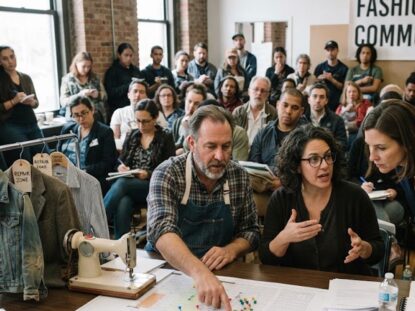
Local elected officials shape the everyday framework that determines how garments are made, sold, and disposed of. Zoning, procurement, waste collection and business licensing all carry real influence over industry practices. A handful of municipal rules can encourage better labor standards, reduce environmental harm, and support small makers in ways national laws often miss. This article looks at practical policy levers and the political choices they entail.
Local action often moves faster than higher-level regulation and can pilot approaches that scale up. It also forces trade-offs between convenience, cost, and community values.
Policy Tools That Matter
City councils and county boards have a surprising toolkit for influencing clothing systems. Procurement policies, for example, can require that uniforms or promotional textiles come from suppliers meeting labor and environmental standards. Zoning and permits influence where factories and repair shops can operate, while local taxes or fee rebates can favor circular businesses such as resale stores and textile recyclers. Waste and sanitation rules determine whether textiles enter landfills or get collected separately for reuse.
These tools are straightforward to draft but require enforcement and oversight. Without follow-through, well-intentioned rules can become symbolic rather than substantive.
Political Trade-offs and Stakeholders
Policymakers must balance competing interests: manufacturers worried about costs, retailers focused on price and selection, workers seeking protection, and consumers demanding affordable choices. Neighborhoods often resist new facilities for repair or production, invoking nuisance concerns. Advocacy groups, chambers of commerce, labor representatives and environmental organizations all play roles in shaping outcomes. Recognizing who benefits and who bears costs helps officials craft politically durable measures.
Transparent hearings and stakeholder committees reduce surprises and build the coalitions needed to sustain policy over electoral cycles. Clear metrics also make debates less about intent and more about measurable results.
Steps Voters and Officials Can Take
Voters can prioritize candidates who present concrete plans for local fashion-related policies, such as supporting textile collection programs or creating incentives for ethical manufacturing. Officials should start with pilot programs, collecting data and adjusting rules before scaling. Simple actions—updating procurement language, offering small grants for repair cafés, or creating a local textile diversion target—produce visible effects and a learning curve for more ambitious moves.
- Require sustainability criteria in city procurement contracts.
- Provide zoning allowances for small-scale textile workshops and repair hubs.
- Set measurable diversion goals to reduce textile waste to landfill.
Small, visible wins build public trust and make larger reforms easier to pass. Incrementalism paired with accountability yields steady improvement.
Conclusion
Local officials hold practical levers that shape how fashion works in their communities. Thoughtful, enforceable policies can protect workers, cut waste, and support local makers while balancing costs. Citizens who engage in the process help ensure policies reflect community priorities and produce measurable results.