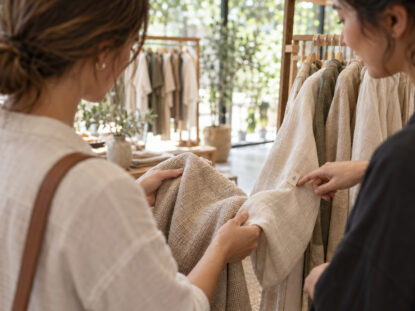
Breathable fabrics make clothes feel less like armor and more like a second skin. They move moisture away from your body, cut down on clamminess and reduce the chance of skin irritation. Picking the right material can also limit stubborn odors and let garments stay fresh longer. Small fabric choices change how comfortable you feel all day, every day.
How Breathability Affects Skin and Comfort
When fabric allows air and moisture to pass, your body regulates temperature more efficiently and sweat evaporates instead of pooling against skin. That is particularly important for people with sensitive skin, eczema, or heat sensitivity because trapped moisture increases irritation. Materials that wick moisture keep you drier during activity and reduce the growth of odor-causing bacteria. Breathability also improves comfort during sleep, reducing night sweats and helping you rest better.
- Common breathable natural fibers: cotton, linen, and wool (lightweight knits).
- Engineered options: lyocell and modal offer a soft hand plus moisture management.
Choosing breathable textiles often means fewer washes and less need for heavy detergents, which is kinder to both fabric and skin. Prioritize simple, uncoated weaves rather than heavily finished surfaces to maintain airflow.
Choosing Fabrics That Last Without Sacrificing Breathability
Durability and breathability aren’t mutually exclusive; weave, fiber quality and finishing play the main roles. Tighter weaves can still breathe if the fiber wicks moisture well, and blends that include a small percentage of synthetic fibers often increase strength and stretch. Avoid heavy chemical finishes that seal fibers and cut airflow, and look for fabrics described by their hand and drape rather than buzzwords. Labels that list fiber content clearly make it easier to compare expected performance.
- Care tip: wash in cool water and air-dry when possible to preserve fibers and breathability.
- Avoid fabric softeners on wicking items; they can reduce moisture transport.
Proper care extends life, so you get the comfort advantage longer without replacing garments frequently. A modest investment in quality fabric pays off in both comfort and longevity.
Where to Use Breathable Pieces in Your Wardrobe
Start by swapping essentials: t-shirts, underwear, sleepwear and base layers benefit most from breathable choices. For hot-weather outfits, linen shirts and light cottons reduce overheating, while breathable knits and lyocell perform well in transitional seasons. In activewear, look for fabrics labeled with moisture-wicking properties and pair them with breathable outer layers to maintain airflow. Even in tailored pieces, linings and lightweight underlayers can make a big difference.
- Sleep: lightweight cotton or lyocell pajamas.
- Work: breathable button-ups and moisture-managing undershirts.
- Exercise: performance fabrics with open weaves and good wicking.
Strategic swaps in these categories improve daily comfort more than chasing trends. Over time, a breathable wardrobe reduces laundry load and keeps garments usable longer.
Conclusion
Choosing breathable fabrics is a simple, practical way to increase comfort and garment lifespan. Small swaps in shirts, sleepwear and layers make an immediate difference to how you feel each day. Thoughtful care keeps those benefits working season after season.