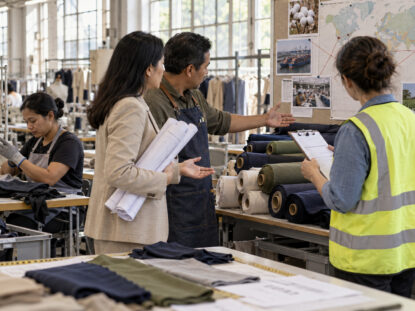
Local elections, planning meetings and council budgets often sound distant from what ends up in our closets. Yet decisions made at the municipal and regional level shape textile regulations, zoning for manufacturing, and whether small designers can access affordable workspace. Those choices ripple through neighborhoods, affecting jobs, waste streams and the prices shoppers pay. Paying attention to local policy reveals how politics quietly steers the fashion system we all live inside.
How Policy Shapes the Clothes We Buy
Procurement rules, waste ordinances and small-business grants influence which firms thrive and what products reach store shelves. For example, a city that adopts strict textile waste rules forces brands to rethink packaging and disposal, while one that subsidizes textile hubs lowers barriers for emerging makers. These aren’t abstract levers: they change inventory, materials and even the life cycle of garments. Consumers feel those shifts through availability, price and visible sustainability claims.
Understanding the policy levers helps citizens push for practical changes rather than symbolic gestures. Advocacy that targets procurement or zoning can produce tangible alternatives to fast fashion in a relatively short time horizon.
Who Gets a Seat at the Table
Policy outcomes reflect who participates in decision-making. When local councils, planning boards and advisory committees include workers, designers and community advocates, rules tend to reflect a broader set of concerns. If participation is limited to well-funded industry players, regulations may prioritize large employers or short-term growth. The composition of these bodies shapes where investment flows and which business models are rewarded.
Expanding access to meetings, offering translation or childcare, and scheduling sessions outside business hours are simple steps that change whose voices influence policy. Those procedural fixes can yield more equitable results.
Small Wins That Shift Systems
Change often begins with modest, achievable policies: a city pilot for textile take-back, a grant program for repair cafés, or a preference in municipal buying for locally produced uniforms. These measures build infrastructure and market demand for different behaviors, nudging manufacturers and retailers to adapt. Over time, a patchwork of local initiatives can coalesce into regional norms that pressure larger players to follow.
Local governments can act faster than higher levels of government, so those small wins are strategic. They provide evidence that alternative approaches are viable, creating momentum for broader reform.
Conclusion
Local politics quietly shapes the fashion choices available to communities and the people who make those clothes. By focusing on participation, procurement and targeted pilots, citizens can steer policy toward more resilient, fair outcomes. Small, practical changes at the local level add up into meaningful shifts across the system.