Local elected officials decide more about the clothes we buy than most people realize.
They approve zoning for factories, set procurement standards for uniforms and public services,
and decide which small businesses qualify for subsidies or tax breaks.
Those choices ripple through labor conditions, environmental impacts and the prices shoppers see in stores.
Local Politics Shape Clothing Markets
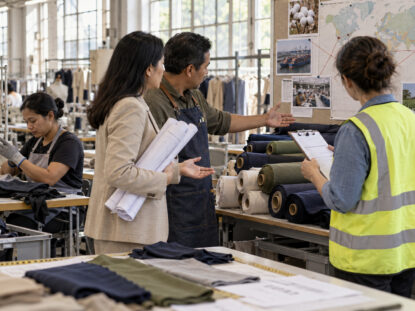
City councils and regional assemblies can tilt the playing field toward more responsible brands without rewriting national law. Procurement rules that favor transparent supply chains create steady demand for better practices, and zoning that supports light manufacturing can shorten supply chains and reduce emissions. Conversely, lax enforcement of labor codes or incentives for high-volume fast-fashion warehouses can entrench low-road business models. Small regulatory shifts often have outsized effects on how and where garments are produced.
Understanding these dynamics helps citizens target influence where it counts. Local campaigns and ballot measures can be practical levers for change because they are cheaper to run and easier to win than national efforts. That makes municipal politics a strategic front for durable improvements.
Policy Levers that Change Industry Behavior
There are concrete policy tools available to local leaders who want better outcomes from the fashion sector. Public procurement standards can require living wages or recycled materials for uniforms and promotional items. Licensing and permitting processes can include environmental and social criteria for new facilities. Targeted incentives can help retrofit small factories rather than attract new, polluting facilities.
- Preferential procurement for ethical suppliers
- Grants or low-interest loans for factory upgrades
- Zoning that supports mixed-use production hubs
These measures are modest on their own but powerful in combination. They realign business incentives and make responsible practices financially viable for local entrepreneurs.
How Communities Can Influence Decisions
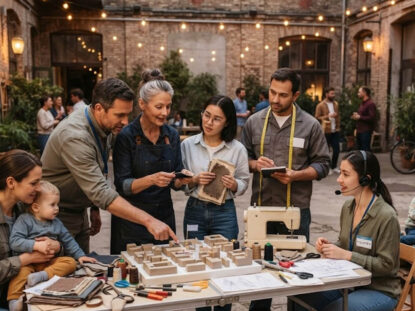
Residents, workers and small businesses can shape fashion policy through organized local action. Public comment periods, coalition-building across unions and environmental groups, and presenting clear, evidence-based proposals are effective tactics. Voters can prioritize candidates who articulate realistic plans for supply chain transparency and job quality. Practical advocacy often focuses on one tangible policy at a time, like a procurement change or a zoning amendment, rather than broad slogans.
Long-term progress depends on sustained engagement and holding officials accountable to measurable goals. Building local models creates templates others can replicate.
Conclusion
Local elected leaders have real power to reshape how clothing is made and sold.
Small policy choices compound into industry norms over time.
Engaged communities can turn local levers into broader, lasting change.