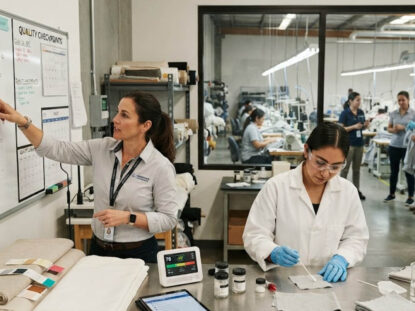
Running a fashion business that prioritizes health means adjusting decisions at every step, from material choices to customer communication. Small operational shifts can cut pollutants, reduce worker strain, and build customer trust without sacrificing style or margins. This article walks through practical changes that improve both human and environmental health while keeping a brand competitive. Read on for actionable ideas that fit into existing workflows and budgets.
Materials and sourcing choices
Pick fabrics and finishes with documented safety profiles and lower chemical loads so production sites and consumers face fewer hazards. Favor suppliers who disclose process chemicals and can show test results, and require third-party certifications where those are meaningful. Local sourcing for critical components can reduce shipping emissions and speed up quality checks, which helps prevent hastily produced runs that sometimes cut corners on safety. These steps often lower returns and complaints because garments perform better in real-world use.
Audit your top SKUs annually to verify ongoing compliance and to catch any supplier changes early. A short supplier scorecard helps buyers make consistent decisions without slowing product development.
Shop floors, offices and staff wellbeing
Healthy operations start at the workplace: improve ventilation, provide ergonomic workstations, and schedule tasks to avoid repetitive strain where possible. Training supervisors to recognize early signs of fatigue or injury reduces absenteeism and increases workmanship quality. Consider small investments such as anti-fatigue mats, adjustable chairs, and job rotation plans that pay back through fewer errors and lower turnover. These measures also strengthen brand reputation among prospective hires, making recruitment easier.
- Regular maintenance of HVAC and extraction systems
- Clear labeling and storage for chemicals and dyes
- Short daily stretch or safety briefings for production teams
Document these practices in an employee handbook and review them during onboarding and quarterly meetings. Transparency inside the company drives consistent implementation.
Retail, packaging and customer engagement
Design stores and online experiences that encourage informed, healthier purchases: clear labels about materials, care, and expected longevity help shoppers choose items that suit their lives. Use packaging that minimizes unnecessary coatings or scents, and give customers repair or return options that discourage premature disposal. Marketing that explains why a product is healthier for body and environment builds long-term loyalty rather than one-off sales.
Run periodic customer surveys to learn which health-focused features matter most, then iterate designs and messaging accordingly. Small changes in how you present products can shift purchasing toward more sustainable, health-forward options.
Conclusion
Operational changes that prioritize health are practical and scalable across business sizes.
They reduce risk, improve product quality, and build trust with workers and customers.
Start with one process audit and expand improvements steadily to see measurable gains.