Municipal decisions quietly shape what appears in storefront windows, pop-up markets, who makes the clothes, and which factories close or open.
Zoning rules, procurement contracts, and festival permits all nudge fashion systems toward—or away from—sustainability, circular practices, and labor fairness.
Voters rarely connect these local levers to the clothes they buy, but the effects are tangible in neighborhoods, wages, local cultural scenes, and waste streams.
Paying attention to local policy makes a visible difference in how fashion is produced, marketed, and consumed.
Why Local Policy Matters
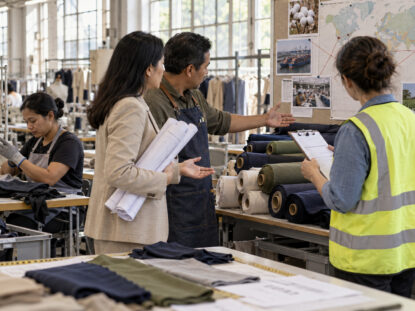
Local government controls many practical pieces of the apparel economy, from small workshops to distribution hubs and retail corridors. Zoning determines whether light industrial spaces survive to host small tailoring shops or get replaced by luxury apartments and high-end retail. Procurement policy can create stable demand for uniforms from ethical suppliers or lock in large contracts with distant manufacturers that deliver uncertain compliance. Public health and labor inspections influence working conditions, community well-being, and the environmental footprint of surrounding neighborhoods.
Because these levers are close to constituents, change can be faster and more responsive than at higher levels of government. That proximity also means residents have real leverage if they organize around clear goals and sustain pressure through civic engagement.
Tools Cities Use
City councils, planning boards, and procurement offices use a handful of straightforward tools that add up to meaningful change. Zoning and permits shape where manufacturing and retail can locate, tax incentives can favor certain business models, and public contracts reward suppliers that meet environmental and labor criteria. Local grants, workforce programs, and technical assistance help small makers scale responsibly while reducing emissions and waste. Individually modest, these tools become powerful when they are applied consistently and transparently.
- Zoning and land-use rules that preserve workshop spaces and flexible manufacturing bays.
- Responsible procurement standards for uniforms, events, and municipal supplies.
- Incentives and grants for repair, recycling, and small-scale production with clear reporting requirements.
Transparency in how these tools are applied matters as much as the rules themselves, because it allows public scrutiny and course correction. Clear reporting lets advocates track progress, compare outcomes, and hold officials accountable.
How Communities Can Shape Policy
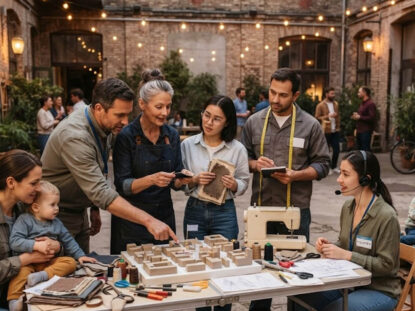
Residents and consumer groups can influence fashion policy through ordinary civic channels and visible public action. Attend planning meetings, submit public comments, and push for procurement language that values local jobs, lower environmental footprints, and measurable labor standards. Partnering with neighborhood organizations, small businesses, and cultural institutions produces proposals that feel practical and politically viable. Elections and ballot measures remain powerful when they translate community values into enforceable local rules.
Building coalitions across labor, environment, and design communities strengthens proposals and broadens political support. Small wins, like a local repair grant or a procurement pilot, can build momentum for larger reforms over time.
Conclusion
Local policy is a tangible way to improve fashion’s social and environmental costs.
It shifts incentives toward makers who pay fair wages, reduce waste, and serve their communities.
Paying attention to municipal decisions turns consumer concern into concrete change.