Choosing fabrics affects comfort, skin health, and the longevity of your clothes.
Small material choices can reduce irritation, allergy risk, and exposure to harsh finishes.
They also determine how garments breathe, wash, and wear over time.
This piece outlines practical fabric decisions that help you feel better and look put together.
Fabric basics that matter
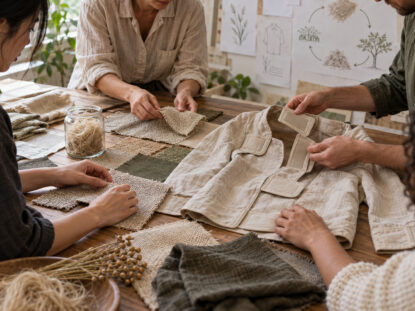
Natural fibers such as cotton, linen, and wool usually breathe better than many synthetic alternatives, which helps reduce heat and moisture buildup against skin. However, not every natural fiber is created equal: loosely woven cotton will feel different from a dense canvas, and some wools are treated to be softer. Synthetic materials like polyester and nylon can trap heat but often excel at stretch, durability, and quick drying for active use. Understanding weave, weight, and finishing gives you a clearer sense of how a garment will perform day to day.
When skin sensitivity is an issue, favor materials that are less likely to hold residues from manufacturing. Look for minimal chemical finishes and ask retailers about post-production treatments. Choosing the right fabric cut and lining can also reduce rubbing and chafing.
How to shop with skin and comfort in mind
Start by reading labels: fiber composition, country of origin, and care instructions reveal a lot about what you’re buying. Feel the fabric—if a texture feels abrasive against your wrist it will likely be uncomfortable after hours of wear. Consider blends as a compromise: a small percentage of elastane can improve fit without sacrificing breathability from the base fiber. Certifications like OEKO-TEX or GOTS don’t guarantee perfection but do indicate attention to chemical use and processing standards.
Try garments on and move around in them; pay attention to seams, tags, and collar construction. If possible, wash one item before regular wear to remove residues and check for shrinkage or color transfer.
Caring for clothes to protect skin and extend life
How you wash and store fabrics affects both their longevity and how they interact with skin. Use mild detergents, avoid overuse of fabric softeners, and clean items that touch skin frequently. Air drying reduces stress on fibers and limits exposure to high machine heat that can break down garments. Repair small tears and reattach buttons promptly to keep clothes functional and comfortable.
- Wash new garments once before wearing to remove finishing chemicals.
- Turn items inside out to protect outer fibers and prints.
- Store natural fibers in cool, dry places to prevent mildew and pests.
With a few simple care habits, even inexpensive pieces can remain comfortable and safe against skin. These practices save money and reduce waste over time.
Conclusion
Choosing the right fabrics and caring for them thoughtfully improves daily comfort and skin health.
Small habits—reading labels, testing textures, and gentle washing—make a noticeable difference.
Investing a little attention up front pays off in garments that look better and feel safer for longer.