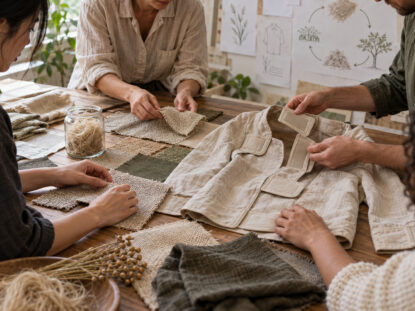
Consumer interest in sustainably made clothing has shifted from a niche concern to a mainstream purchasing factor. People increasingly ask where garments come from, what materials they use, and how those choices affect health and the environment. This trend is prompting designers, retailers, and consumers to rethink the lifecycle of everyday apparel and accessories. Understanding ethical fabrics helps shoppers make informed decisions that align style with well-being.
Why ethical fabrics matter
Ethical fabrics prioritize better production practices, reduced chemical use, and greater transparency across supply chains. These materials often require fewer toxic finishes and include natural or responsibly produced fibers, which can lessen environmental contamination and potential skin irritation. Choosing garments made from such fabrics supports workers and communities involved in their manufacture by encouraging fairer labor standards. Overall, fabric choices influence both immediate wearer comfort and longer-term ecosystem health.
Adopting ethical fabrics is not just an aesthetic shift; it reflects a broader commitment to accountability throughout the apparel lifecycle. For brands, this shift can build trust and loyalty among discerning customers who value sustainable practices.
How to evaluate fabric choices
Start by looking beyond marketing terms and read labels or product pages to identify fiber content and certifications. Certifications and standards can indicate reduced chemical use or improved social practices, but it is important to understand what each label actually guarantees. Consider the durability and care requirements of a fabric: longer-lasting materials reduce waste by extending garment life, while easy-care options lower resource use during laundering. Also weigh the full lifecycle impacts, including how a fabric is sourced, processed, and disposed of.
Practical evaluation combines transparency, longevity, and clear environmental or social credentials to form a balanced purchasing decision.
Practical steps for a healthier wardrobe
Create a simple checklist before buying: examine fiber content, check for certifications, and evaluate the brand’s supply chain transparency. Prioritize fabrics with minimal chemical processing and those known for breathability and low irritation potential. Investing in higher-quality staples and practicing basic garment care will reduce overall consumption and exposure to unnecessary additives.
- Read technical details on product pages.
- Favor natural or recycled fibers with credible standards.
- Repair, donate, or upcycle to extend garment life.
Small, consistent choices—paired with mindful laundering and maintenance—build a healthier, more sustainable closet over time. These habits support personal comfort while reducing environmental impact.
Conclusion
Ethical fabrics are reshaping how people think about clothing, linking style with responsibility. By evaluating materials, certifications, and lifecycle impacts, shoppers can make healthier choices for themselves and the planet. Practical steps like choosing durable fibers and caring for garments extend benefits and help normalize sustainable fashion practices.