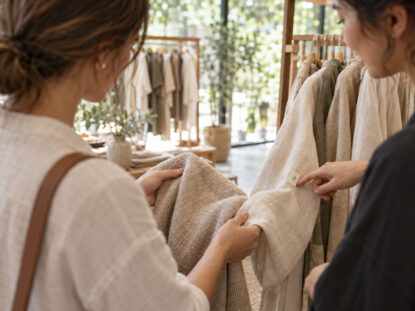
In modern work environments, choosing attire that balances comfort with professionalism is increasingly important. Clothing that supports movement, breathability, and confidence can improve focus and reduce fatigue during long days. Small adjustments in fabric choice, tailoring, and accessories can make a measurable difference in daily comfort and presentation. Intentional wardrobe design helps maintain energy and clarity from morning meetings through evening commitments. These practical choices support both physical ease and professional confidence.
Assessing Functional Priorities
Start by mapping routine activities to clothing requirements and list the moments when comfort matters most. Consider how much sitting, walking, or physical interaction your day demands and prioritize stretch, layered warmth, or moisture management accordingly. Look for garments with subtle design features like gussets, vents, articulated seams, and reinforced stress points that support natural movement without sacrificing shape. Read labels for stretch percentages and construction details to understand how pieces will perform during a typical day. Prioritizing these features at the selection stage prevents discomfort and preserves a tailored appearance.
A clear list of priorities simplifies shopping and wardrobe planning. It also helps identify which pieces merit investment for long-term wear.
Material Choices and Fit
Fabric choice drives both comfort and longevity; blends that combine natural fibers with technical yarns often balance breathability, durability, and easy care. Focus on weight and drape to maintain a professional silhouette while allowing movement, and choose finishes that resist wrinkling for low-maintenance polish. Proper fit is equally important: well-proportioned tailoring supports posture and avoids strain from tightness or excess fabric. Consider care instructions and expected wear when selecting materials to ensure garments remain reliable through repeated use. Thoughtful selections reduce the need for frequent replacements and keep outfits functioning as intended.
Selecting materials with proven performance reduces outfit turnover and simplifies daily care. Tailoring ensures garments look intentional rather than merely comfortable.
Styling Strategies for Everyday Use
Use layering to adapt to temperature changes without losing a cohesive look; lightweight knits, structured blazers, and breathable undershirts create flexible combinations. Choose footwear that complements outfits while offering proper support for your activity level, and integrate accessories that add function, such as belts that improve fit or bags that distribute weight ergonomically. Color and pattern choices can minimize visible wear and simplify mixing-and-matching to reduce decision fatigue during busy mornings. Incorporate multifunctional garments—pieces that can transition from desk to external meetings—to maximize versatility. Thoughtful rotation of core pieces prolongs freshness and reduces stress when dressing.
Practical styling keeps your wardrobe versatile and reliable for changing demands. Small adjustments can elevate comfort without compromising appearance.
Conclusion
Balancing comfort and style in professional attire is an achievable goal with intentional choices. By assessing needs, selecting appropriate materials, and applying smart styling, you create a wardrobe that supports performance throughout the day. The result is clothing that looks professional and feels practical.