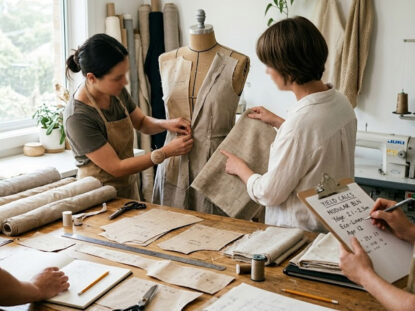
Integrating health principles into a fashion business can strengthen brand resilience and improve employee satisfaction. This approach balances aesthetic goals with practical considerations for comfort, movement, and longevity of garments. When leaders prioritize well-being, teams are more productive and turnover can decline. The following sections outline design, operations, and measurement strategies to embed health into business practice.
Designing Workwear with Employee Well-Being in Mind
Design choices influence daily comfort and long-term health, so selecting breathable fabrics, ergonomic cuts, and adjustable features reduces strain and supports diverse body types. Thoughtful patterning and modular elements allow garments to adapt to different tasks and temperatures without sacrificing professional appearance. Investing in prototypes and user testing with staff yields insights that improve fit and functionality while minimizing costly recalls or dissatisfaction. Prioritizing durability and repairability also lowers lifecycle impacts and aligns with employee values about sustainable workplaces.
Aligning design decisions with feedback fosters a culture of collaboration and continuous improvement. Practical adaptations can become brand differentiators when communicated clearly to customers and partners.
Operational Practices That Support Healthier Teams
Operational policies shape everyday well-being through scheduling, workspace ergonomics, and access to supportive amenities, such as proper lighting and rest areas, which together reduce fatigue and enhance focus. Training on safe handling of materials and machinery, along with clear maintenance routines, prevents injuries and preserves product quality. Flexible scheduling and inclusive uniform options help accommodate varying needs across roles and life stages, creating a more resilient workforce. Embedding health goals into procurement and supplier guidelines ensures practices extend beyond the office to production partners.
Small operational changes often produce measurable benefits in absenteeism and morale. Framing these policies as investments rather than costs helps secure buy-in across teams.
Measuring Impact and Communicating Value
Establishing metrics tied to well-being and sustainability clarifies progress and supports strategic decisions, whether tracking reduced sick days, product returns, or material waste. Regular surveys, paired with objective indicators like productivity or retention rates, reveal where initiatives succeed and where adjustments are needed. Transparent reporting that links health-focused practices to business outcomes improves stakeholder trust and can attract talent that values responsible employers. Using case studies and employee testimonials provides relatable proof of impact when engaging buyers and partners.
Consistent measurement turns anecdote into evidence and helps prioritize future investments. Clear storytelling amplifies operational gains and reinforces organizational commitment.
Conclusion
Integrating health into fashion operations enhances both human and business performance.
Start with design and operations that respect employee needs and measure outcomes pragmatically.
Communicate results to reinforce value and sustain long-term growth.