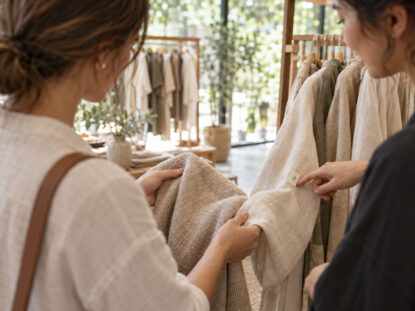
Choosing clothing thoughtfully affects more than appearance; it shapes daily comfort and overall wellbeing. Small decisions about fabric, fit, and care can reduce irritation, improve temperature regulation, and extend garment life. Considering these factors helps people move through routines with less distraction and more confidence. This article outlines practical approaches to make clothing choices that support long-term comfort and durability.
Material Matters
Fabric selection is the foundation of comfortable dressing and often determines breathability, moisture management, and skin sensitivity. Natural fibers like cotton, linen, and certain wools tend to allow better airflow and wick moisture, while some synthetics can trap heat but offer durability and stretch. For sensitive skin, look for smooth weaves and lower chemical processing, and test new fabrics against the skin before committing. Balancing performance needs—such as quick-dry properties for activity—with tactile comfort will guide smarter purchases.
Proper material choice reduces the need for frequent replacements and keeps daily wear more pleasant. Prioritizing a few versatile fabrics makes dressing simpler and more reliable.
Prioritize Fit and Movement
Fit affects comfort more than fashion trends; garments that allow natural movement reduce friction and strain during daily tasks. Opt for cuts that follow body shape without pinching, and consider adjustable features—waists, cuffs, and hems—that improve adaptability across situations. Layers can help achieve a comfortable range of motion while also providing temperature flexibility through the day. Investing time in proper sizing prevents posture changes and distractions caused by ill-fitting items.
When shopping, try several sizes and move in the garment to ensure it supports typical activities. Thoughtful tailoring can also transform a good fit into a great one.
Care and Longevity
How garments are washed, stored, and repaired directly impacts their lifespan and continued comfort. Following care labels, using gentler detergents, and avoiding excessive heat during drying preserves fiber integrity and fit. Simple repairs like sewing a seam or replacing a button extend usefulness and reduce waste, while rotating items prevents uneven wear. Treating garments as investments encourages mindful consumption and sustained comfort.
- Wash according to label instructions to avoid shrinkage.
- Air-dry when possible to maintain shape and finish.
- Learn basic mending to keep pieces in rotation longer.
Consistent care routines pay off with fewer replacements and more reliable comfort over time. Small habits in maintenance yield visible benefits in how clothing feels and performs.
Conclusion
Thoughtful clothing choices combine suitable materials, proper fit, and consistent care to enhance daily comfort. Adopting small, intentional habits leads to garments that support movement and wellbeing while lasting longer. These practices create a more sustainable and satisfying wardrobe experience.