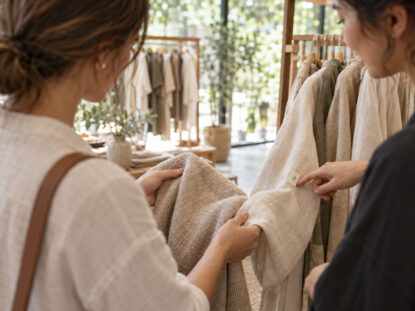
Everyday clothing choices shape comfort, appearance, and the overall longevity of pieces in your wardrobe. Small, considered adjustments in how we select fabrics, approach fit, and maintain garments can reduce waste and save money over time. By combining practical knowledge about materials with routine care habits, you ensure clothes remain comfortable and useful across seasons. This article outlines actionable strategies to help garments last longer without sacrificing style or daily comfort.
Choosing Durable, Breathable Fabrics
Begin with fabrics known for their natural strength and breathability; cotton blends, linen, wool blends, and certain engineered weaves can balance comfort with long-term durability. When shopping, pay attention to weave density, fiber quality, and construction details such as reinforced seams and quality stitching, which often predict resistance to pilling and wear. Consider the lifecycle performance of a fabric — how it stretches, recovers, and responds to repeated laundering matters as much as initial texture and drape. Reviewing labels and product descriptions alongside touch and movement tests provides helpful clues about how a piece will perform in daily life.
Prioritizing slightly higher-quality materials or blends at purchase tends to reduce replacement frequency over the years. Over time, that selection improves both daily comfort and the sustainability profile of your wardrobe.
Prioritizing Fit for Comfort and Movement
A well-fitting garment moves naturally with the body and reduces stress at seams and fabric joins, minimizing the risk of tears or premature wear. Choose cuts that match your lifestyle—greater ease through the shoulders and chest supports frequent movement, while tapered pieces can serve more static routines—so items are used more often and more comfortably. Simple alterations like shortening hems, taking in side seams, or adjusting sleeve length often extend the life and appeal of budget-friendly garments. Tailoring inexpensive pieces is often more economical and sustainable than repeatedly replacing poorly fitting items.
Quick adjustments keep clothes flattering and reduce the urge to discard items for aesthetic reasons. Fit that feels good encourages repair and careful use.
Care, Repair, and Extending Garment Life
Consistent, gentle care is among the most effective methods to extend clothing life and preserve appearance over time. Follow manufacturer instructions, use mild detergents, wash garments inside out, and avoid high heat in drying to limit fiber breakdown and color fading. Address small concerns promptly — loose buttons, minor holes, and weak seams are simple fixes that prevent escalation into irreparable damage. Learning basic mending skills or establishing a relationship with a reliable tailor can transform pieces that might otherwise be discarded into long-lasting wardrobe favorites.
- Wash similar fabrics together on gentle cycles to reduce abrasion.
- Use fabric-friendly detergents and avoid excess heat when drying.
- Patch or reinforce strained areas early to prevent bigger repairs.
These modest habits significantly cut replacement frequency and lower environmental impacts associated with clothing production. Regular attention keeps garments functional, comfortable, and ready for regular wear for years.
Conclusion
By choosing durable fabrics, prioritizing proper fit, and committing to simple care and repair habits, you extend the practical life of clothing and enhance daily comfort. These steps reduce waste, support more thoughtful consumption, and often save money in the long run. Small, consistent habits contribute to a healthier, more sustainable wardrobe over time.