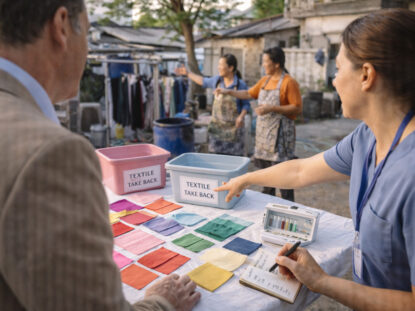
The fashion industry sits at the intersection of culture, economy, and environmental impact. As concerns around waste, labor practices, and climate effects grow, policy is playing an increasingly important role in shaping a more sustainable fashion ecosystem. At the same time, civic engagement is becoming a powerful driver of accountability and change. Together, thoughtful policy frameworks and active public participation are redefining how fashion can contribute to a more responsible future.
Why Policy Matters in Sustainable Fashion
Fashion supply chains are complex and global, making voluntary action alone insufficient. Policy provides structure by setting standards for environmental impact, labor conditions, and transparency. Regulations around materials sourcing, waste reduction, and emissions reporting push brands to rethink production models. When policies are clear and enforced, sustainability shifts from a marketing choice to an industry baseline.
Encouraging Circular and Responsible Production
Policies increasingly support circular fashion models that prioritize reuse, repair, and recycling. Incentives for sustainable materials, extended producer responsibility, and waste reduction programs encourage brands to design with longevity in mind. These measures help reduce landfill waste and resource depletion. By shaping incentives, policy nudges innovation toward more responsible production systems.
Protecting Workers and Communities
Sustainability is not only environmental—it is also social. Policy plays a critical role in protecting garment workers through labor standards, fair wages, and safe working conditions. Strong enforcement ensures that sustainability does not come at the expense of vulnerable communities. Ethical fashion policies align economic growth with human dignity.
The Role of Civic Engagement in Driving Change
Civic engagement amplifies the impact of policy. Consumers, activists, and communities influence decision-making through voting, advocacy, and public discourse. Awareness campaigns and collective action pressure brands and policymakers to act responsibly. When citizens engage with policy processes, sustainable fashion becomes a shared societal goal rather than an industry niche.
Transparency and Informed Consumer Choice
Policies that require disclosure around sourcing, materials, and environmental impact empower consumers. Transparency enables people to align purchasing decisions with values. Civic engagement thrives when information is accessible, allowing individuals to hold brands accountable and reward responsible practices.
Building Collaboration Across Sectors
Effective policy paths involve collaboration between governments, industry leaders, and civil society. Public-private partnerships and community input help create practical and inclusive solutions. This collaborative approach ensures policies remain realistic while driving meaningful progress.
Conclusion
Sustainable fashion advances most effectively when policy and civic engagement work together. Regulations set standards, while public participation ensures accountability and momentum. By aligning governance with citizen action, fashion can evolve into a force for environmental responsibility and social good.