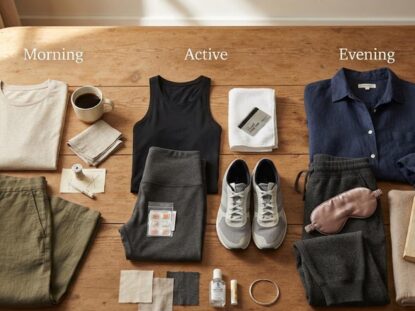
Your clothing choices influence comfort, confidence, and daily well-being. Adopting healthy fashion habits means thinking about materials, fit, and care in ways that support longevity and personal health. Small changes in how you shop and maintain garments can reduce waste and improve how your wardrobe serves your lifestyle. This article outlines practical steps to create a closet that feels good and functions well.
Start by evaluating what you wear most and why, rather than following trends. Prioritize items that match your daily activities and climate, and be honest about pieces that sit unused. A mindful approach saves time, money, and creates a more organized daily routine.
Choosing Materials and Fit
Selecting the right fabric and fit is a cornerstone of healthy fashion. Natural fibers like cotton, linen, and wool often breathe better and can be gentler on skin, while modern performance fabrics can offer moisture-wicking benefits for active days. Fit matters as much as fabric: clothes that allow movement reduce friction and promote comfort throughout the day. Consider hypoallergenic options if you have sensitive skin and test new materials gradually to avoid irritation.
When trying on garments, move through typical motions—reach, sit, walk—to ensure ongoing comfort. Tailoring affordable pieces can create a better fit without excess spending. A few well-fitted items will outshine many ill-fitting ones in both comfort and appearance.
Curating a Capsule Collection
Building a small, versatile wardrobe reduces decision fatigue and supports sustainable consumption. Focus on neutral basics that mix and match, complemented by a few statement pieces that reflect your personality. A capsule collection encourages quality over quantity, making each purchase more intentional. This approach simplifies morning routines and keeps your closet uncluttered.
- Choose 10–20 core pieces you wear regularly.
- Rotate seasonal items to keep the collection fresh without excess.
Review your capsule every six months to remove seldom-used items and introduce functional upgrades. This habit helps keep your wardrobe aligned with changing needs and activities.
Caring for Clothes to Promote Health and Longevity
Proper care extends garment life and maintains hygiene, reducing micro-waste and frequent replacements. Follow label instructions, wash less when appropriate, and use gentle detergents to preserve fibers and protect sensitive skin. Air-drying and proper storage prevent mildew and fabric breakdown, while prompt repairs stop small issues from becoming unusable garments. Regular maintenance also keeps clothes looking their best, supporting a polished, confident appearance.
Set a simple care routine: mend small tears, de-pill knits, and store seasonal items clean and dry. Consistent care translates to a healthier closet and fewer impulse purchases.
Conclusion
Creating a healthy closet is an investment in comfort, sustainability, and daily ease. Thoughtful choices about materials, fit, and care reduce waste and improve how your wardrobe supports life. Start small and build habits that reflect your needs and values over time.