Introduction
Wardrobe decisions in entertainment are rarely solitary choices. Costume selections emerge from a blend of narrative goals, visual language, and practical constraints. These choices shape how audiences interpret a character before a single line is spoken. Understanding the collaborative process reveals why wardrobe matters beyond aesthetics.
Costume and Character Development
Costume design contributes directly to character development and emotional tone. Designers translate script cues into fabric, color palettes, and silhouettes that suggest background, temperament, or transformation. Thoughtful attire can hint at a character’s arc, socioeconomic status, or inner conflict without explicit dialogue. This visual shorthand supports storytelling and deepens audience engagement.
Practical choices are balanced with symbolic intent to ensure costumes support performance. Designers often iterate looks during rehearsals so garments allow movement and expression. The final designs reflect both artistic vision and the actor’s needs.
Production Constraints and Practicality
Budget, timeline, and venue logistics shape wardrobe decisions in meaningful ways. A limited budget prompts creative reuse, textile selection, and prioritization of key pieces that carry narrative weight. Time constraints affect fittings, alterations, and the number of distinct looks achievable across scenes. These factors force teams to make strategic choices without compromising character integrity.
- Cost-effective options include rental, vintage sourcing, and modular garments.
- Durability and maintenance often guide fabric and construction choices.
Costume solutions therefore blend imagination with feasible production planning. Teams document choices to maintain continuity and simplify quick changes.
Collaboration Between Departments
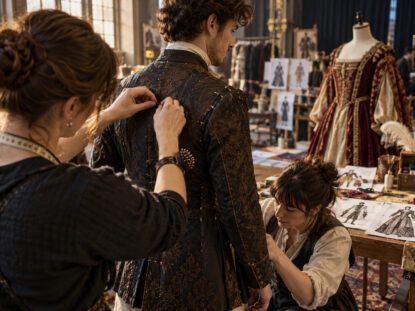
Wardrobe decisions require close collaboration among directors, costume designers, actors, makeup artists, and cinematographers. The director clarifies narrative priorities, while cinematography influences color and texture decisions based on lighting. Actors provide insight into comfort and movement, which can alter silhouette or material choices. This dialogue ensures that costumes serve both performance and visual composition.
Research and reference gathering are common collaborative practices that align vision across departments. Early mock-ups and mood boards help unify intent before final production begins.
Conclusion
Wardrobe decisions are a collaborative blend of storytelling intent, practical constraints, and interdisciplinary input.
When departments align, costumes become active narrative tools that enhance performance and audience understanding.
Intentional wardrobe choices ensure that every garment supports the story in visible and subtle ways.