Introduction
Choosing the right fabrics is one of the most effective ways to reduce the environmental footprint of your wardrobe. Fabrics vary greatly in resource intensity, longevity, and end‑of‑life options, so small decisions compound over time. Learning basic differences between fibers lets you prioritize durability, lower environmental impact, and recyclability. This article outlines practical considerations that help you make smarter fabric choices.
Understanding Fabric Impact
Natural fibers like cotton, linen, and wool often offer biodegradability and comfort, but they can demand significant water, land, or chemical inputs depending on how they are produced. Synthetic fibers such as polyester and nylon tend to be energy‑intensive and shed microplastics, yet they can perform well for longevity and be made from recycled feedstocks. Blends complicate recycling but can improve performance; understanding trade-offs helps you weigh functionality against environmental cost. Consider production methods, certifications, and the likely lifespan of a garment when evaluating impact.
Assessing garments by their expected use and care needs is a practical way to translate fabric knowledge into better purchases. Prioritizing fabrics that match how often you will wear and wash an item reduces premature disposal.
Shopping with Fabric in Mind
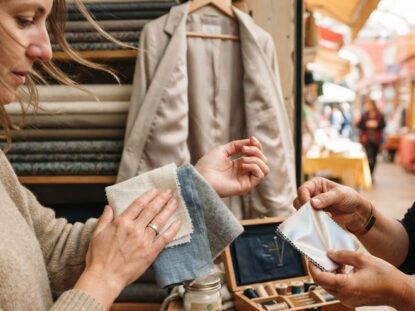
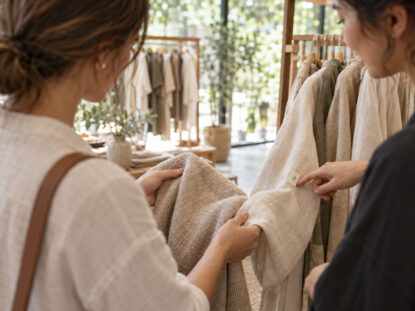
When shopping, read labels to learn fiber content and care instructions, and favor single‑fiber garments where possible to simplify future recycling. Seek out lower‑impact processing, such as organic cultivation, closed‑loop dyeing, or recycled fiber content. Balance performance and sustainability by choosing fabrics that suit the garment’s purpose: breathable linens for warm weather, durable wool blends for outerwear, and responsibly sourced synthetics for activewear. Secondhand and swap markets extend useful life and reduce demand for newly produced materials.
- Linen: low-impact, breathable, durable.
- Wool: long-lasting, naturally insulating, biodegradable.
- Recycled polyester: durable and lower carbon when verified.
Making informed choices up front increases the chance garments will be worn longer and cared for appropriately, which lowers overall impact.
Care and Repair to Extend Life
Proper care preserves fabric integrity: follow temperature recommendations, use gentle detergents, and avoid over‑washing to prevent fiber breakdown. Simple repairs—patching seams, replacing buttons, and reinforcing high‑wear areas—add years to garments and reduce turnover. Store fabrics according to needs to prevent pests and moisture damage, and rotate items to avoid concentrated wear. When a repair is not feasible, consider upcycling or donating to keep materials in circulation.
Investing a little time in maintenance pays dividends in longevity and reduces the need for new purchases. Thoughtful care is an essential complement to responsible fabric selection.
Conclusion
Choosing fabrics with durability, end‑of‑life options, and appropriate performance in mind helps create a more sustainable wardrobe. Combine informed shopping with good care and timely repairs to minimize environmental impact over the lifetime of your clothing. Small, consistent choices add up to meaningful reductions in waste and resource use.