Introduction
Costume and fashion are essential narrative tools in modern entertainment production. Designers translate scripts into wearable language that informs mood, era, and personality. Thoughtful wardrobe choices help audiences connect to characters before they speak. This article explores how fashion shapes storytelling across screen and stage.
Designing Character through Costume
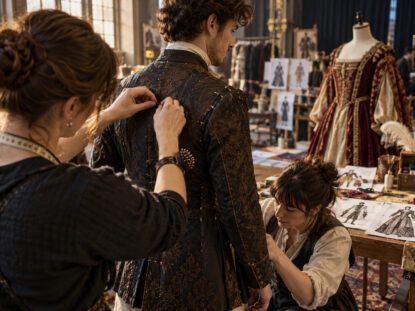
Costume design begins with character analysis rather than trends, using silhouette, color, and texture to reveal backstory and motivation. A carefully chosen garment can signal social status, emotional state, or a plot transformation without explicit dialogue. Costume teams collaborate closely with directors to ensure clothing supports performance and visual continuity. Strong design decisions help actors inhabit roles more convincingly and allow viewers to read subtle cues.
Wardrobe choices also help maintain internal logic within a production, aligning with lighting and set design. Consistency across looks builds a believable world, while deliberate contrasts can create dramatic tension. Costuming is both an interpretive and practical craft, balancing aesthetic goals with functional needs for movement and quick changes.
Sustainability and Practical Production Choices
Growing emphasis on sustainability reshapes how productions source and manage costumes, prompting reuse, rental, and upcycling strategies. Sustainable practices reduce waste and can become part of a production’s creative identity, informing texture choices and fabric treatments. Production designers increasingly track sourcing and lifecycle impacts as part of overall planning and budgeting. These choices also influence publicity, showcasing responsible approaches that resonate with conscious audiences.
Adopting eco-friendly methods often requires early planning and tight coordination between departments. When sustainability is integrated early, it becomes a creative asset rather than a constraint. The result is clothing that supports storytelling while minimizing environmental footprint.
Collaboration with Creative Departments
Costume departments do not work in isolation; they partner with hair, makeup, production design, and cinematography to create cohesive visuals. Color palettes, fabric sheen, and accessory choices are calibrated to camera lenses and lighting setups to achieve the intended effect on screen or stage. Regular fittings and camera tests ensure designs translate accurately under production conditions. This collaborative loop refines looks until they serve both artistic and technical requirements.
Clear communication and shared references speed decision-making and prevent costly on-set adjustments. When departments align early, wardrobe enhances moments of visual storytelling and supports directorial intent without distraction.
Conclusion
Thoughtful fashion design elevates narrative clarity and emotional resonance in entertainment. Sustainable and collaborative approaches make wardrobe a strategic production asset. Investing in costume craft enriches storytelling and audience engagement.