Entertainment platforms communicate aesthetics rapidly and at scale.
Visual media—from streaming series to short-form video—frames what feels current and desirable.
That influence reaches wardrobes through mood, silhouette, and color cues that audiences adapt.
Understanding this pipeline helps readers make intentional style decisions rather than impulsive ones.
Storytelling and the aesthetics economy
Story arcs and characters create visual shorthand that designers and consumers both notice.
When a protagonist wears a particular cut or accessory it becomes shorthand for a persona.
Brands and independent makers translate those cues into accessible pieces for mainstream shoppers.
The result is a feedback loop where fiction informs retail, and retail amplifies on screen.
It also reshapes purchasing priorities as audiences seek to replicate perceived lifestyles.
Being aware of narrative cues lets consumers choose pieces that align with their real lifestyle.
That awareness reduces the urge to chase every fleeting look.
This habit encourages a slower, more curated approach to buying.
Cross-platform trend cycles and longevity
Trends no longer live only on the runway; they travel across platforms and adapt.
Short videos can compress trend cycles, while longer-form series can cement certain looks for seasons.
This variation means some trends fade quickly and others embed into a broader aesthetic vocabulary.
Evaluating how a trend appears across channels helps predict its staying power.
Understanding platform mechanics—algorithm, format, and audience—clarifies which looks are transient.
Prioritize elements that offer versatility across contexts.
Timeless proportions and quality fabrics usually outlast viral silhouettes.
A measured response often yields wardrobes that look current without being disposable.
Practical steps for mindful adoption
Translate on-screen inspiration into a capsule approach to avoid excess.
Start by identifying one element you admire—color, texture, or proportion—and adapt it within your wardrobe.
Consider sustainability, fit, and maintenance before purchasing to ensure long-term use.
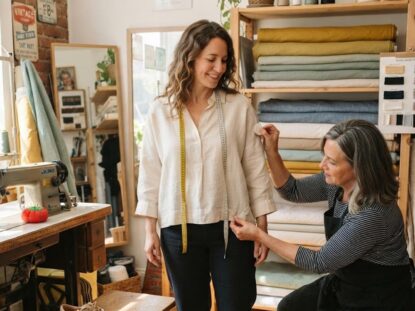
Repairing and tailoring can bridge the gap between inspiration and practicality.
- Identify one adaptable element to incorporate.
- Invest in a key neutral piece that complements trends.
- Alter rather than discard for better fit and longevity.
These small practices allow fans of visual media to keep personal style coherent and sustainable.
They also make fashion choices feel more deliberate and expressive.
Over time, these choices build a cohesive personal archive rather than a series of fads.
Creators, collaborators, and responsible amplification
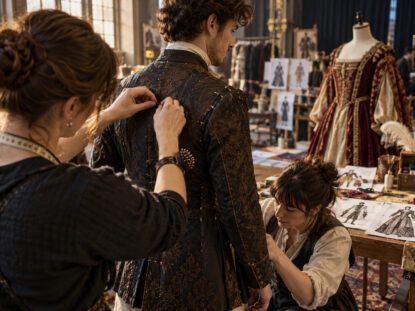
Influencers, costume designers, and stylists act as intermediaries translating screen looks to everyday wear.
When creators highlight small businesses or ethical makers, entertainment-driven tastes can support healthier supply chains.
Collaborations between content producers and sustainable labels can increase visibility for considered garments.
Audience demand directed at ethical options encourages producers to prioritize durable materials and transparent practices.
Seek out creators who discuss sourcing, fit, and care rather than only aesthetic appeal.
That context helps viewers make choices that align with values and budgets.
Curating follow lists with intention reduces impulsive buying triggers.
Conclusion
Visual media will continue shaping style conversations.
Consumers who learn to translate trends thoughtfully can enjoy fresh looks without waste.
Intentional choices support both personal expression and longer-lasting wardrobes.