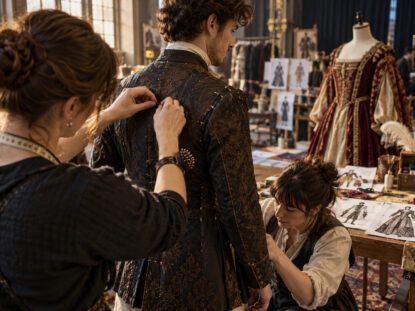
In entertainment, wardrobe choices are increasingly informed by sustainable fashion principles.
Audiences, stylists, and production teams pay attention to material sourcing, lifecycle impact, and ethical supply chains.
This shift affects costume design, publicity appearances, and even streaming content that features fashion.
Understanding how sustainability intersects with entertainment helps creative teams make meaningful aesthetic and logistical decisions.
Trends in Entertainment Styling
Designers and costume departments are prioritizing longevity, versatility, and transparency when selecting garments for productions and on-stage performances. Sustainable fabrics such as recycled fibers and low-impact dyes are becoming common, and vintage or upcycled pieces are embraced for their character and reduced footprint. Collaborative efforts between designers and sustainability consultants ensure that creative intent and environmental considerations align. These trends also influence visual storytelling, where wardrobes communicate values as much as character traits.
- Increased use of rental and archival wardrobes for repeat productions.
- Transparent labeling of garment origins and materials in promotional content.
Adopting these styling trends allows productions to maintain a distinctive look while reducing waste and meeting audience expectations. It also offers marketing opportunities that feel authentic rather than performative.
Audience Influence and Public Perception
Modern viewers are more attuned to the ethics behind what they see on screen and stage, and their preferences can drive creative choices. Social media and critical coverage amplify conversations about sustainability, prompting entertainment projects to respond proactively. Public perception now rewards productions that demonstrate measurable commitments to greener practices rather than temporary gestures. This dynamic can raise standards across the industry as audiences favor transparency and accountability.
When audiences recognize genuine efforts, it strengthens trust and deepens engagement with a project. Conversely, superficial claims can lead to backlash and reputational risk for creators and brands involved in production.
Practical Sustainable Practices in Wardrobe
Implementing sustainable wardrobe strategies requires planning, collaboration, and investment in alternatives to fast-fashion sourcing. Practical steps include maintaining centralized costume inventories, repairing and altering garments instead of replacing them, and specifying low-impact materials during design. Training teams in material care and efficient laundering reduces resource use during production, while partnerships with rental houses can cut costs and environmental impact. These practices also encourage creativity through constraints, often leading to distinctive and thoughtful costume choices.
By embedding these practices early in preproduction, teams avoid last-minute compromises that favor convenience over sustainability. Over time, these operational changes become standard practice and improve both creative outcomes and environmental performance.
Conclusion
Entertainment wardrobes that prioritize sustainability reflect evolving audience values and industry responsibility.
Practical strategies—like reuse, transparent sourcing, and material care—support both creative and environmental goals.
As the field adapts, sustainable fashion becomes a tool for storytelling and long-term cultural impact.