Introduction
Costume and wardrobe choices are central to how stories are told in film, television, and live performance.
Thoughtful design helps define characters quickly, signaling background, status, and emotional states without exposition.
This article explores how creative and practical considerations shape those choices and how audiences respond.
Understanding these dynamics helps creatives, stylists, and producers make decisions that enhance narrative clarity and viewer engagement.
Design and Character Development
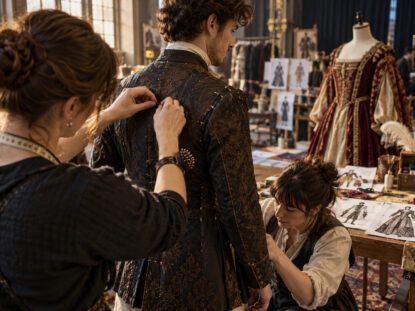
Designers collaborate with directors and writers to translate character notes into visual language that supports the story arc. Fabric, silhouette, color, and wear patterns become shorthand for personality, era, and socioeconomic context. Subtle details, such as a threadbare cuff or a carefully placed accessory, can reveal backstory and inner conflict. When costume is aligned with character motivation, the wardrobe becomes an active storytelling tool rather than mere decoration.
Early concept research and fittings ensure consistency across scenes and episodes. That consistency helps audiences build reliable associations that deepen emotional investment.
Production Practicalities and Sustainability
Production budgets, shooting schedules, and maintenance demands inevitably influence costume decisions on set. Stylists balance authenticity with durability, choosing materials and construction methods that withstand long takes and quick changes. Increasingly, productions integrate sustainable sourcing and rental strategies to reduce waste and manage costs. These practical constraints often lead to creative solutions that preserve aesthetic goals while respecting logistical realities.
Documenting costumes and maintaining continuity logs also supports efficient reshoots and ensures narrative coherence. Practical planning behind the scenes contributes to an immersive experience for the audience.
Audience Interpretation and Cultural Context
Audiences interpret costumes through personal experience, cultural cues, and prevailing trends, which affects reception and meaning. Design that is culturally informed and sensitive can reinforce authenticity, while missteps risk distraction or criticism. Costume choices also influence marketing assets and character recognition across promotional materials and social media. Understanding diverse audience perspectives helps creators make inclusive choices that resonate with broader viewership.
Feedback loops between audience reactions and future costume decisions are increasingly visible in serialized content. Analyzing those patterns guides smarter choices for character evolution and brand continuity.
Stylist Collaboration and Innovation
Stylists and costume designers work closely with makeup, hair, and set departments to create coherent visual palettes. Cross-department collaboration ensures that lighting and camera choices complement fabric textures and color saturation on screen. Innovation emerges when teams experiment with unconventional materials, adaptive tailoring, and modular pieces that evolve with the character. These collaborative experiments can produce memorable looks while solving practical shooting challenges and supporting actor comfort.
Investment in collaborative development sessions and prototypes often yields cost-effective solutions during production. Such teamwork fosters distinctive, durable costumes that serve both narrative and operational needs.
Conclusion
Costume choices do more than clothe performers; they shape narrative meaning.
Balancing design, production realities, and audience context yields richer storytelling.
Thoughtful wardrobe strategy strengthens connection between story and viewer.