Introduction
Fast fashion has reshaped how people buy and wear clothes, but its long-term costs to wardrobes and the planet are becoming harder to ignore. Making incremental shifts in daily routines can reduce waste and improve garment longevity without sacrificing personal style. This article explores pragmatic habits and smarter shopping choices that create cumulative benefits over time. The goal is to offer realistic actions that anyone can adopt, starting this week.
Where Small Choices Add Up
Small adjustments compound quickly when repeated across seasons and among social circles. Choosing to repair a favorite sweater, swapping garments with friends, or deciding against impulse buys reduces demand for low-quality production. These behaviors create feedback loops: as fewer items are discarded, individuals tend to buy more thoughtfully and value quality. Over months and years, the environmental and financial savings become measurable and noticeable.
Adopting a few consistent practices is more effective than attempting a complete wardrobe overhaul overnight. Start with one habit and expand from there.
Practical Habits for Everyday Wear
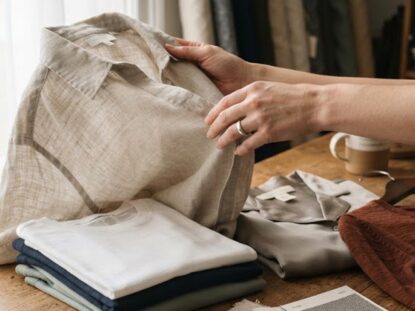
Daily care routines protect fabrics and extend wearable life in surprisingly simple ways. Washing less often, using gentle cycles, and air-drying items minimize fiber breakdown; spot-cleaning can prevent unnecessary laundering. Storing garments properly, rotating outfits to avoid overuse, and addressing small defects early prevents larger damage. These habits preserve fit, color, and texture, keeping pieces in active rotation longer.
- Wash only when necessary and use cooler temperatures.
- Repair seams and buttons promptly to avoid bigger issues.
- Rotate garments and store seasonal items in breathable containers.
Consistent care is a low-effort strategy with outsized returns. It decreases the need to replace items frequently and supports a more sustainable daily routine.
Shopping with Longevity in Mind
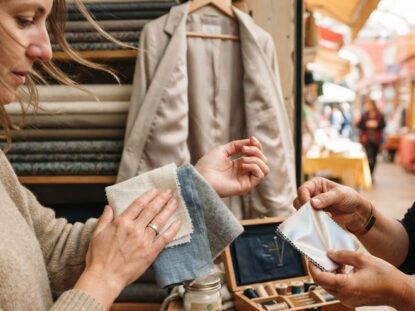
When new purchases are needed, prioritize durability, timeless design, and material transparency. Inspect seams, hardware, and fabric weight in person or read detailed product descriptions online. Favor classic silhouettes that integrate with existing pieces and consider the lifecycle of materials used. Also evaluate repairability and resale potential to ensure the garment remains valuable beyond first use.
Thoughtful shopping reduces turnover and leads to a curated collection that reflects personal taste and practical needs. Over time, this approach simplifies choices and enhances satisfaction with every item owned.
Conclusion
Small, consistent changes to care, consumption, and repair practices can dramatically reduce the impact of fast fashion.
Start with one habit and build momentum by sharing tips and experiences with others.
A thoughtful wardrobe supports style, savings, and sustainability simultaneously.