Introduction
Choosing clothing that supports both personal wellbeing and environmental care is an achievable goal with the right approach. Small, intentional decisions about materials, fit, and care routines add up over time and create healthier daily habits. This article outlines practical strategies that balance comfort, durability, and sustainability without sacrificing style. Use these guidelines to make wardrobe choices that feel good and last longer.
Material Choices and Fabric Health
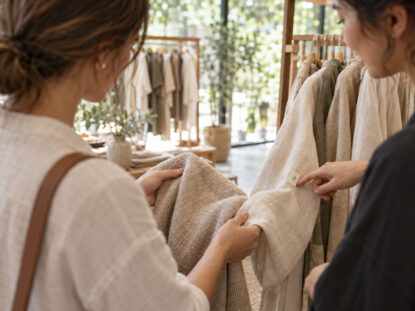
Start by prioritizing fabrics that breathe, resist irritants, and require fewer chemical treatments during production. Natural fibers like linen, cotton, and wool often offer better moisture regulation and less skin irritation when sourced and processed responsibly. Consider blended fabrics carefully: some blends enhance durability, while others can trap heat or reduce breathability. Always check garment labels for treatment information and prefer low-impact dyes or untreated textiles when possible. Fabric choices influence comfort, longevity, and the overall environmental footprint of an item.
Choosing better materials supports both personal comfort and environmental outcomes. Investing a bit more initially can reduce replacement frequency. Keep material care in mind before each purchase to maximize benefits.
Fit, Movement, and Physical Comfort
Well-fitting clothing reduces strain and improves posture by allowing natural movement without constriction. Seek pieces that support your typical activities, whether you need stretch for daily motion or structured garments for professional settings. Tailoring inexpensive items can provide a custom fit that extends wearability and reduces the urge to replace garments. Comfort translates to confidence, and a thoughtful fit encourages you to wear pieces more often, lowering overall consumption. Remember that sizing varies across brands, so prioritize fit over numerical labels.
Prioritizing fit leads to fewer returns and less waste. Simple alterations can transform a garment into a long-term favorite. Regularly reassess how garments feel as lifestyle needs change.
Care, Longevity, and Sustainable Habits
Proper garment care extends life and maintains appearance, reducing the need for frequent replacements. Follow label instructions for washing temperatures, air-drying, and gentle detergents to protect fibers and finishes. Mending small issues promptly—like loose seams or missing buttons—prevents bigger damage and keeps items in rotation. Storage practices, such as folding knits and hanging structured pieces, also preserve shape and texture over time. These habits save money and reduce environmental impact by lowering the total number of garments produced.
Adopting consistent care routines makes a measurable difference in a wardrobe’s lifespan. Small repairs and mindful washing add up to significant waste reduction. Encourage others to adopt similar practices to amplify the benefits.
Conclusion
Making healthier fashion choices combines thoughtful material selection, proper fit, and consistent care. These practices improve personal comfort while minimizing environmental impact. Start with one change today and build sustainable habits over time.