Introduction
Everyday choices in how we buy, care for, and pass on clothing shape the environmental footprint of our wardrobes.
Small shifts in buying habits and maintenance routines can meaningfully lower waste and extend garment lifespans.
This article outlines practical actions you can adopt without sacrificing style or convenience.
The aim is to make sustainable fashion approachable and consistent for everyday life.
These steps are accessible regardless of wardrobe size and can be scaled to suit your routine.
Mindful Shopping
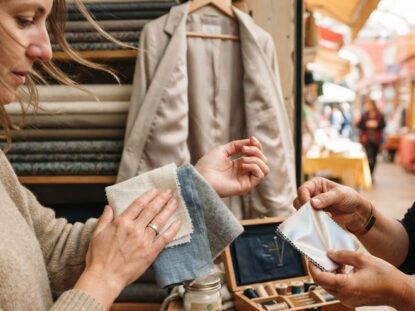
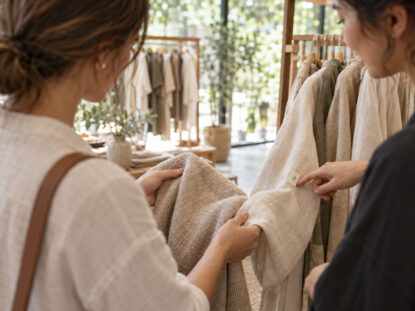
Start by prioritizing quality over quantity, seeking well-constructed pieces that fit your lifestyle. Choose neutral colors and classic cuts to increase versatility and reduce impulse purchases. Inspect fabrics and seams, and ask about fiber content and care requirements before investing. Consider cost-per-wear rather than initial price, which often reveals true value. Buying from brands with transparent production practices can further reduce environmental impact.
Keep a simple checklist to guide purchases and pause before buying to avoid regret. Over time these habits reduce turnover and curb the cycle of fast fashion.
Care and Repair Practices
Proper care extends life: wash less, use gentle cycles, and follow label instructions to protect fibers. Air-dry when possible and avoid high heat from dryers that weakens textiles. Learn basic repairs like sewing buttons, fixing hems, and mending small tears to keep garments wearable. Regularly rotating items and storing them appropriately also prevents premature wear.
- Turn garments inside out, use a laundry bag for delicates, and spot clean stains early.
- Invest in a basic repair kit with needles, matching thread, and a small pair of scissors.
- Use padded hangers for structured pieces and breathable storage for seasonal items.
Small maintenance habits are low effort and yield big reductions in waste. They also save money and keep your favorite pieces in rotation longer.
Responsible Disposal and Swapping
When a garment reaches its end, think beyond the trash by exploring donation, resale, or textile recycling options. Swapping with friends or participating in community clothing exchanges extends useful life without new production. Prepare items for transfer by cleaning them and repairing minor issues to improve resale or donation value. Some fabrics and blends are hard to recycle, so research local programs that accept mixed textiles.
Documenting what you remove from your wardrobe helps identify problem categories to avoid in future shopping. Treating disposal as a planned step completes a circular mindset for your clothing.
Conclusion
Small daily choices compound into significant reductions in fashion waste.
By buying thoughtfully, caring intentionally, and closing the loop on disposal, you keep garments useful longer.
These practices create a more sustainable, stylish, and economical wardrobe over time.