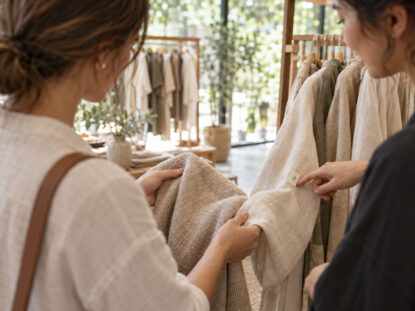
Choosing clothes that look good, feel comfortable, and last longer is central to a healthier fashion approach. Consumers and designers alike are shifting toward decisions that reduce waste and support mindful consumption. Small adjustments in what we buy and how we care for garments can add up to meaningful environmental and economic benefits. This article outlines practical strategies to balance style with sustainability in everyday wardrobes.
Material Choices and Fabric Impact
Understanding fabric origin and lifecycle is fundamental when selecting garments. Natural fibers may biodegrade more readily, while recycled and regenerated textiles can lower resource use and divert waste from landfills. Yet, no material is perfect: considerations like water use, chemical processing, and supply chain transparency are important when evaluating impact. Prioritizing fabrics with clear certifications and traceability helps ensure better environmental outcomes.
When shopping, look for detailed material labels and brand information that explain sourcing and processing. Making informed purchases reduces the likelihood of discarding items prematurely and promotes market demand for more responsible textiles.
Design and Buying with Longevity
Product longevity begins at the design stage, so favor garments with timeless proportions, reinforced seams, and neutral palettes that integrate with existing wardrobes. Avoid impulse purchases driven by fleeting trends; instead, choose pieces that serve multiple roles across seasons. Investing slightly more in high-quality basics can lower long-term costs and decrease turnover in your closet. Thoughtful curation helps build a cohesive collection that supports varied styling options.
Adopt a mindful buying routine by assessing need, versatility, and expected frequency of wear before purchase. This habit reduces clutter and encourages more deliberate consumption over time.
Care, Repair and Circular Habits
Proper care and timely repairs extend the useful life of clothing and keep items out of disposal streams. Follow care labels, use gentle detergents, and air-dry when possible to minimize fabric stress. Learning simple mending techniques or using local repair services can transform minor damage into renewed garments. Embracing resale, swapping, and donating practices supports circularity and keeps materials moving through useful life cycles.
- Wash less frequently and spot-clean when appropriate.
- Store garments correctly to prevent stretching and mildew.
- Participate in clothing swaps or resale platforms to refresh your wardrobe responsibly.
Small care changes conserve resources and reinforce the value of each garment, making sustainable fashion both practical and accessible.
Conclusion
Balancing style and sustainability is achievable through informed material choices, thoughtful purchasing, and ongoing garment care. These practices reduce environmental impact while maintaining a functional and attractive wardrobe. Adopting even a few strategies can create lasting benefits for individuals and the broader fashion ecosystem.