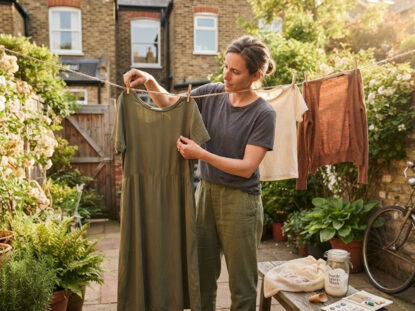
Healthy fashion news is evolving as consumers prioritize comfort, sustainability, and wellbeing. Recent industry developments show brands and suppliers adapting materials, manufacturing, and retail models. This article summarizes key trends that influence how healthy fashion is designed, produced, and sold. Readers interested in sustainable style will find practical signals and emerging innovations described below.
Market shifts in healthy fashion
Consumer demand is shifting toward garments that support physical comfort and long-term health without sacrificing style. Wellness-driven shopping considers skin-friendly fabrics, breathable construction, and ergonomic fit as purchase influencers. Retailers report that transparency about sourcing and lifecycle impacts increasingly determines brand trust. Investors and designers alike are responding with new labels, certifications, and measurable commitments.
Together these market signals push the sector toward measurable sustainability goals. Expect more reporting and clearer standards in the near term.
Materials and manufacturing innovations
Material science is central to healthy fashion, with breakthroughs in plant-based fibers and recyclable blends. Low-impact dyeing techniques and waterless finishing reduce environmental footprints while preserving fabric performance. Manufacturers are also piloting regenerative agriculture feedstocks and closed-loop recycling systems to reclaim waste. Such steps aim to balance durability, safety, and minimal chemical exposure across product lifecycles. Research partnerships accelerate scaling of these technologies.
- Plant-derived fibers with certified processing.
- Closed-loop recycling initiatives in factories.
Adoption of these methods remains uneven but is accelerating through partnerships and policy incentives. Industry stakeholders are tracking lifecycle data to evaluate real-world benefits.
Design and wellbeing integration
Designers integrate ergonomic patterns and adaptive features to serve diverse body types and mobility needs. Textiles that manage temperature and moisture enhance comfort for active and everyday wearers. There is also attention to mental wellbeing through neutral palettes, tactile finishes, and mindful consumption narratives. Adaptive closures and modular pieces support ease of dressing across ages.
These design choices demonstrate that wellbeing can be both aesthetic and functional. They also open new markets for inclusive, health-oriented apparel.
Retail, transparency, and consumer behavior
Digital platforms enable traceability tools that reveal supply chains, certifications, and material origins to shoppers. Secondhand markets and rental services reduce waste and extend garment lifespans while offering budget-friendly options. Educated consumers increasingly seek clear labels and independent verification rather than marketing claims. Retailers that provide repair services and recycling take-back programs strengthen long-term engagement.
The combination of services and information reshapes loyalty beyond single-season trends. Brands that make healthy fashion straightforward for consumers will likely gain competitive advantage.
Conclusion
Healthy fashion is moving from niche to mainstream. Industry collaboration and transparency drive credible progress. Consumers benefit when style and wellbeing align.