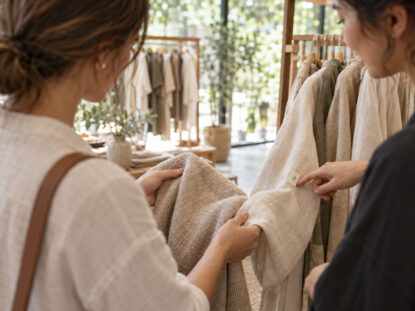
Building a wardrobe that supports health, comfort, and sustainability starts with simple intentions. Choosing pieces that fit well and allow movement improves daily posture and confidence. Thoughtful fabrics and construction reduce irritation and extend the life of garments. Small, consistent choices can shift consumption patterns and benefit personal wellbeing.
Materials and production choices
Prioritize natural or responsibly produced fabrics that breathe and tolerate repeated care. Look for blends engineered for durability and comfort, and favor producers who disclose manufacturing practices. Understanding fiber content helps you predict wear and care needs, and makes laundering less damaging. Transparent production reduces surprise exposures to harsh chemicals and supports long-term garment performance.
When shopping, check labels and certifications where possible and prefer pieces with clear care instructions. Investing in a few higher-quality items often outperforms frequent fast purchases.
Practical wardrobe strategies
Create a capsule of versatile items that mix and match across seasons and activities. Base garments in neutral hues combine easily while a few accent pieces refresh looks without extra volume. Prioritize fit and function: pockets, seams, and closures should suit your routine. This simplifies choices and reduces decision fatigue each morning.
- Audit your closet quarterly to identify true essentials.
- Donate or repair rather than discard usable items.
- Choose modular layers to adapt to temperature changes.
Adopting these habits encourages mindful consumption and makes dressing both efficient and sustainable.
Care and longevity
Proper laundering, repairs, and storage extend garment life and maintain comfort. Follow care labels, use gentle detergents when appropriate, and avoid excessive heat that breaks down fibers. Learn basic repair skills like sewing buttons and fixing seams to keep garments functional longer. Regular maintenance reduces the need for replacement and lessens environmental impact.
Rotate items to avoid concentrated wear and consider professional repairs for cherished pieces. Small investments in care pay off through prolonged usability.
Communicating values through choices
Explain your preferences when purchasing or receiving gifts to align items with your wellbeing priorities. Support brands and makers whose values match your own, but also evaluate individual products on quality and comfort. Sharing why certain materials or methods matter can influence peers and normalize thoughtful consumption. Consider secondhand markets as sources of unique, well-made items.
Clear communication and consistent choices foster a community of mindful buyers and encourage better industry practices. Your wardrobe can reflect both personal style and broader values.
Conclusion
Designing a mindful wardrobe improves daily comfort and reduces unnecessary consumption.
Small, intentional choices about fabrics, fit, and care add up over time.
A thoughtful approach supports wellbeing and promotes more responsible fashion habits.