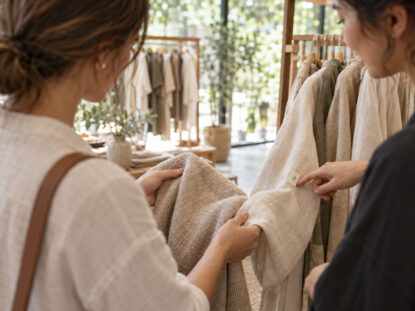
Everyday clothing can influence comfort, confidence, and long-term physical well-being in ways many shoppers overlook. Small decisions about fabric content, construction, and how garments fit combine to affect skin health, temperature regulation, and ease of movement throughout the day. This article outlines practical considerations for selecting pieces that perform well across common daily activities while remaining stylish and versatile. Apply these guidelines to make intentional purchases and cultivate a wardrobe that feels consistently better to wear.
Prioritize Breathable, Natural Fabrics
Begin by prioritizing breathable, natural fibers for base layers and frequently worn garments whenever possible. Materials such as cotton, linen, and certain wools allow air circulation and wick moisture, which helps reduce overheating and skin irritation during prolonged wear. Synthetic options can offer useful properties like stretch, rapid drying, and durability, so choose blends strategically for athletic wear or structured outer layers. Matching fabric choice to your activity level and local conditions supports skin comfort and helps maintain a stable microclimate against your body.
Read labels for fiber content and consider how fabric construction affects feel and performance. Sampling a garment before committing or buying versatile basics in trusted materials can prevent repeated discomfort.
Focus on Fit, Movement, and Layering
Fit plays a central role in how clothing supports health and mobility; garments that are too tight may restrict circulation or cause chafing while overly loose items can catch and create hazards. Prioritize silhouettes that allow a full range of motion based on your daily routine, whether that includes sitting at a desk, commuting, or light exercise. Seek adjustable features such as elastic waists, drawcords, or strategic stretch panels to customize comfort across situations. Layering thoughtfully also helps manage temperature without forcing you into ill-fitting pieces.
When trying on clothing, move in it—sit, reach, and walk—to detect pressure points and restrictions. Choosing slightly more forgiving cuts for prolonged wear reduces strain and supports better posture.
Care Practices That Preserve Fabric Health
Proper laundering and maintenance preserve both the comfort and functional benefits of your clothing over time, reducing friction, fiber breakdown, and potential irritants. Follow recommended wash cycles, avoid excessive heat in machines and irons, and select gentle detergents to minimize chemical residues that can aggravate sensitive skin. Make timely repairs for loose seams or damaged trims to extend an item’s safe and comfortable life, and consider swapping items out of heavy rotation when they begin to show wear. Thinking ahead about care helps you get the most from each piece and reduces the need for frequent replacements.
- Use cool or warm water and mild detergent to protect fibers and reduce fading.
- Air dry when possible and repair small issues promptly to extend garment lifespan.
Adopting a few simple care habits tailored to your most-worn items keeps clothing feeling better and reduces environmental impact. Over time these practices support both personal comfort and a more sustainable wardrobe approach.
Conclusion
Choosing clothing with health and comfort in mind is an achievable, everyday practice that pays dividends in well-being and confidence. Emphasize breathable fabrics, sensible fits that allow movement, and consistent care to protect skin and mobility over the long term. Small, intentional choices create a practical, comfortable wardrobe that supports better days and less waste.