Introduction
A thoughtful wardrobe can support both personal health and sustainable living.
Choosing fabrics and fit affects comfort, skin sensitivity, and daily movement.
Wardrobe decisions shape environmental impact and long-term wellbeing.
This article explores practical steps that combine style with health-conscious habits.
Material Choices and Skin Comfort
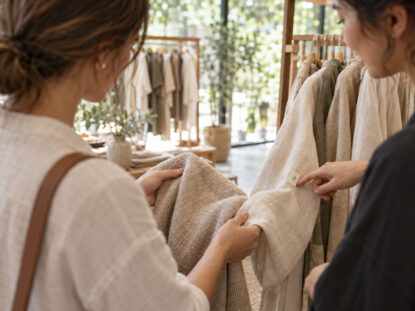
Choosing natural or performance fabrics can reduce irritation and improve breathability. Materials like woven cotton, linen blends, and advanced moisture-wicking textiles each offer trade-offs between comfort and durability. Pay attention to fabric weight, weave, and any chemical finishes that may affect sensitive skin. Labels and product descriptions can help, but simple touch and care tests are often the most reliable.
Test garments in store or order small batches to evaluate comfort over time. Prioritize what feels good for daily activities.
Design, Fit, and Movement
Garment design influences posture, circulation, and freedom to move throughout the day. A proper fit avoids pinching and pressure points while allowing natural motion. Consider adjustable features like elastic waistbands, breathable linings, and seam placement when assessing comfort. Style choices that accommodate layering and activity help maintain both form and function.
Alterations can make off-the-rack items fit better than buying new. Embrace clean tailoring as part of a healthy wardrobe strategy.
Care, Longevity, and Sustainable Habits
How you care for clothing affects its lifespan and environmental footprint. Gentle laundering, air drying, and occasional repairs extend use and reduce waste. Stitching simple mends and using neutral detergents can protect fabric and skin sensitivity. Mindful shopping and repair practices support both personal wellbeing and planetary health.
- Wash cold and air dry when possible
- Repair loose seams early
- Rotate wear to reduce concentrated wear
Building habits around care reduces the need for frequent replacement. That saves resources and keeps your wardrobe aligned with wellbeing goals.
Shopping Mindfully and Building a Capsule
Mindful shopping balances immediate desire with long-term use, reducing impulsive purchases. A capsule approach centers on versatile pieces that mix across seasons and activities. Selecting neutral palettes, classic cuts, and multi-purpose accessories increases outfit options with fewer items. Thinking in terms of cost per wear and environmental cost helps prioritize investments in higher-quality garments. Secondhand and local makers often offer unique options that align with both health and sustainability goals.
Plan purchases around needs, not trends, and test new items against existing pieces at home. Over time, a curated closet reduces decision fatigue and supports a consistent, healthy daily routine.
Conclusion
Small, consistent choices in materials, fit, and care make a measurable difference.
Aim for function and comfort as much as aesthetics.
A health-conscious wardrobe is an investment in daily wellbeing.