Introduction
Fashion and politics intersect more often than public commentary suggests, shaping social norms and influencing policy debates. Clothing choices convey identity, signal values, and can become focal points in legislative and electoral conversations. Understanding this interplay helps policymakers, activists, and industry stakeholders design more effective communication strategies. This piece explores how sartorial signals operate within political contexts and why they matter for broader public discourse.
Policy Context and Legislative Framing
Policymakers increasingly encounter fashion-related issues through workplace regulations, school codes, and public decency debates, which require careful framing to avoid unintended exclusion. Legislators may respond to visible clothing trends by proposing rules that reflect safety, equality, or cultural concerns, but those rules risk embedding bias if crafted without inclusive analysis. A policy approach that examines intent, impact, and proportionality helps mitigate discrimination while addressing legitimate public interests. Regulatory language should be precise and evidence-based to prevent treating attire as a proxy for contested social attributes.
Engaging diverse stakeholders early in the drafting process reduces misinterpretation and backlash. Clear guidelines, regular review, and mechanisms for appeal increase public trust and administrative fairness. Transparency about objectives and trade-offs strengthens both legitimacy and practical outcomes.
Fashion and Political Identity
Clothing functions as a nonverbal form of political expression, signaling affiliations, beliefs, and solidarity in ways that can shape electoral dynamics and social movements. Campaigns and organizations often harness apparel to build group cohesion and communicate messages succinctly, but visual markers can also polarize and simplify complex policy debates. Recognizing the symbolic power of dress enables communicators to craft messages that resonate without reducing substantive dialogue to aesthetics. Analysts should consider both the communicative advantages and the risks of visual shorthand in civic engagement.
When identity markers become legislative flashpoints, balancing free expression with institutional norms is essential. Education and dialogue can diffuse tensions and promote understanding across diverse constituencies. Thoughtful use of symbolism preserves democratic space while advancing meaningful conversation.
Public Health, Safety, and Economic Considerations
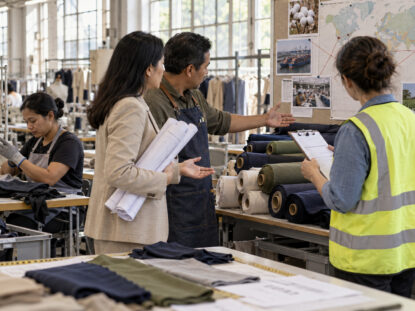
Attire-related policies intersect with public health and safety concerns—such as protective clothing standards and occupational requirements—while also affecting economic sectors like manufacturing and retail. Regulations that support safety can coexist with protections for personal expression if designed with flexibility and stakeholder input. Economic impact assessments help policymakers avoid disproportionate burdens on small businesses and marginalized workers. Coordinated approaches ensure that health, safety, and economic resilience remain aligned with social inclusion goals.
Investment in education and accessible alternatives can reconcile competing priorities. Pilot programs and periodic evaluations offer pathways to refine rules based on lived experience and measurable outcomes. Sustainable policy design balances practicality with respect for individual rights.
Conclusion
Attire is a meaningful vector through which political ideas are expressed, contested, and regulated, touching on identity, safety, and economic activity. Policymakers who integrate inclusive consultation, clear objectives, and evidence-based assessment can manage clothing-related issues without marginalizing communities. Thoughtful, adaptive approaches preserve civic freedoms while addressing legitimate public concerns.