Introduction
Creating a wardrobe that supports both personal wellbeing and environmental responsibility is increasingly important for mindful living. Small, practical adjustments to the way you shop, care for garments, and choose fabrics can have an outsized impact. This article outlines straightforward strategies to build a healthier, longer-lasting closet without sacrificing style or comfort. The goal is to help you make informed decisions that feel sustainable and manageable day to day.
Thoughtful choices reduce waste and save money over time, while also improving daily comfort and confidence in what you wear.
Choose Quality, Fit, and Comfort First
Prioritize garments that are well-made and fit your body and lifestyle to get more use from each piece. Quality construction, durable stitching, and timeless cuts often outlast trend-driven items, offering better value and less turnover. Comfort matters for daily wear: breathable fabrics, appropriate layering, and tailored proportions increase how often an item is worn. Investing a bit more in pieces you truly love reduces impulse purchases and closet clutter.
When shopping, try items on and move in them to test fit and comfort, and keep an eye out for neutral colors and classic shapes that integrate easily with existing pieces.
Prioritize Sustainable and Breathable Fabrics
Choosing the right materials supports health and longevity: natural fibers like cotton, linen, and wool often breathe better and are easier to repair. Look for blends and finishes that improve durability without compromising comfort, and seek certifications or transparent sourcing when possible. Synthetic fabrics have their place for performance needs, but balance usage to avoid unnecessary microplastic shedding and excess washing. Understanding fabric care labels helps preserve texture and shape so garments maintain a fresh appearance longer.
- Natural fibers: cotton, linen, wool, silk
- Recycled fibers: recycled polyester, nylon
- Performance blends: moisture-wicking or stretch mixes
Choosing fabrics suited to your climate and activity level makes outfits feel better and last longer, reducing the need for frequent replacement.
Build a Versatile, Capsule-Focused Wardrobe
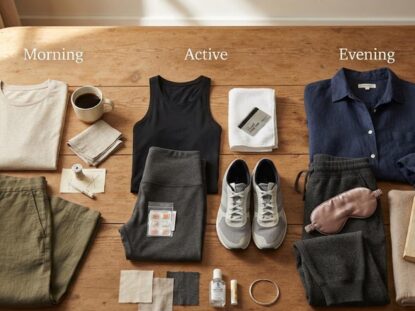
Create a core set of interchangeable items that cover most of your weekly activities to minimize decision fatigue and reduce purchases. A capsule approach emphasizes multifunctional pieces that mix and match easily, encouraging more wear per item. Coordinate around a limited palette and a few accent colors so new items slot in smoothly without creating imbalance. This strategy supports a tidy closet and simplifies laundering and care routines.
Regularly audit what you wear versus what you own to identify gaps and avoid buying duplicates; aim for pieces that serve multiple purposes across work, leisure, and travel.
Care, Repair, and Rotate to Extend Lifespan
Proper care is essential: follow label instructions, avoid excessive heat, and repair minor damage promptly to extend a garment’s usable life. Simple repairs like sewing small tears, replacing buttons, or refreshing hems can keep favorite items in rotation for years. Rotating seasonal clothing reduces wear on any single piece and keeps your wardrobe balanced. Establishing a gentle laundering routine preserves color and shape while reducing the frequency of full replacements.
Adopt a habit of mending and thoughtful care to save money and reduce environmental impact while keeping your closet functional and enjoyable.
Conclusion
Thoughtful selection, proper care, and a focus on versatility make everyday clothing healthier for you and the planet. Small, consistent habits—choosing quality fabrics, maintaining garments, and curating a capsule wardrobe—yield lasting benefits. Embrace these strategies to build a sustainable, comfortable closet that supports your lifestyle.