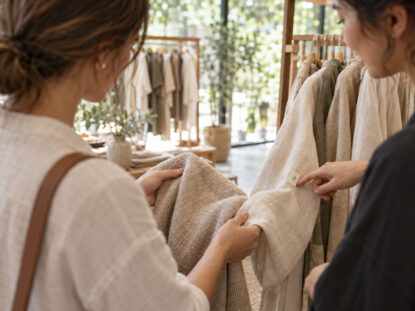
Clothing does more than cover the body; it influences comfort, confidence, and daily wellbeing. Thoughtful design, fabric choice, and garment care can reduce irritation and support movement throughout the day. Consumers and designers alike are recognizing that healthy fashion blends functionality with style in practical ways. This article explores simple approaches to make wardrobes healthier without sacrificing aesthetic appeal.
Why wellness matters in apparel
Garments that prioritize wellbeing reduce physical discomfort and can improve productivity and mood. Breathable fabrics, thoughtful seams, and ergonomic cuts minimize chafing and tension during prolonged wear. Clothing that accommodates natural movement helps lower the risk of repetitive strain from restrictive fits. Overall, small design choices create cumulative benefits for daily physical comfort.
Considering wellness in apparel also means paying attention to skin sensitivities and allergic reactions. Choosing hypoallergenic materials and avoiding harsh finishes supports healthier skin for many people. Prioritizing wellbeing in garments ultimately enhances the longevity and usefulness of pieces in a wardrobe.
Materials and movement
Fabric selection plays a central role in healthy clothing, balancing breathability, moisture management, and durability. Natural fibers often offer good airflow, while modern technical fabrics can wick moisture and provide stretch for active days. Blends are useful when they combine comfort with resilience, but it is important to avoid treatments that trap irritants against the skin. Understanding fabric properties helps buyers choose items suited to their lifestyle and climate.
Designers should consider patterning and construction to promote free movement, with gussets, articulated joints, and slightly relaxed silhouettes for frequent wearers. These subtle adjustments keep garments comfortable during long days without appearing utilitarian.
Practical tips for everyday integration
Start by auditing your current wardrobe to identify items that cause discomfort or are rarely worn. Replace or alter problematic pieces, focusing on versatility and fit rather than quantity. When shopping, prioritize garments with clear fabric information and simple, supportive construction. Look for options that are easy to launder and maintain to preserve their wellbeing benefits over time.
- Choose breathable fabrics for base layers.
- Opt for adjustable closures to fine-tune fit.
- Invest in repairs to extend useful life.
Small changes like these create a more comfortable, functional closet that aligns with long-term health and sustainability goals. Over time, a thoughtful approach reduces waste and improves daily comfort.
Conclusion
Integrating wellness into clothing is a practical step toward better daily comfort and longevity.
Thoughtful fabric and design choices make garments more functional and user-friendly.
A healthier wardrobe supports wellbeing while still allowing personal style to shine.