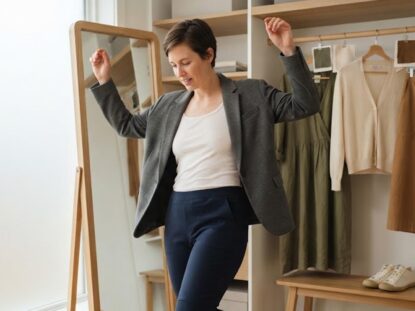
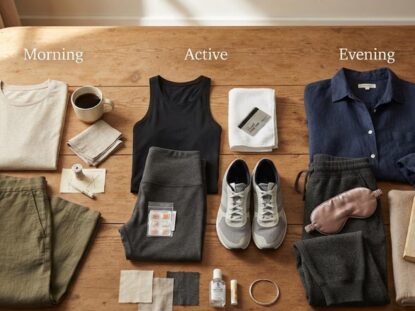
When your body is asking for gentler treatment, clothing can play a quiet but meaningful role. The right pieces reduce friction, support circulation, and make everyday movements less tiring. This short wardrobe checklist focuses on fabrics, fit, and small styling choices that ease strain without sacrificing personal style. Read on for practical options you can try this week.
Prioritize breathable, low-irritation fabrics
Natural and soft-engineered fabrics matter because they move moisture away from the skin and reduce pressure points. Cotton blends, bamboo-derived knits, and lightweight merino offer a balance of breathability and gentle stretch that helps with temperature regulation. Avoid coarse weaves, scratchy tags, and stiff trims that can aggravate sensitive spots during long days. Choosing calmer fabrics is less about trends and more about giving your body room to recover.
Look for seamless or flat-seamed construction and fabrics labeled “soft touch” or “for sensitive skin” when possible. These small details often make the biggest difference in comfort during prolonged wear.
Choose fit and structure that support movement
Loose does not mean shapeless; it means roomy where your joints and muscles need it most. A relaxed-waist pant, an A-line skirt, or tops with gentle drape let you sit, stand, and reach without feeling compressed. Consider garments with a bit of mechanical stretch so they return to shape and reduce binding after repeated movement. Structured pieces with soft linings can provide subtle support without feeling restrictive.
If you typically wear belts or tight waistbands, try alternatives like elasticized waists or sash ties that distribute pressure more evenly. Small tweaks to fit often produce noticeable comfort gains.
Smart layering, easy closures, and quick-care fabrics
Layering helps regulate comfort across different rooms and activities: a light cardigan or wrap can be put on or removed without a full outfit change. Fastening choices matter too—zippers, magnetic closures, and easy buttons reduce fine-motor strain compared with fiddly clasps. Pick pieces that wash and dry quickly so you don’t need heavy laundering routines that can wear clothes out faster. These practical elements keep dressing simpler on days when energy is limited.
- Choose cardigans or wraps over many buttoned shirts.
- Try leggings or pull-on pants with a soft waistband.
- Look for garments labeled “machine wash cold” and “quick dry.”
Implementing one or two of these ideas can make daily dressing less of a chore and more of a brief comfort ritual. Start small and observe which changes help you feel steadier across the day.
Conclusion
Comfortable clothing is practical care you can wear every day. Small fabric and fit choices reduce friction and conserve energy. Adjust your wardrobe gradually to keep style and wellbeing aligned.