Creating a wardrobe that supports both style and wellbeing is increasingly important for people who want clothes to feel good and last longer. Thoughtful choices about fabrics, fit, and care can reduce stress, save money, and lower environmental impact. This article looks at practical, actionable strategies to build a healthier, more functional closet without sacrificing aesthetics. Use these tips to make intentional decisions that benefit comfort, confidence, and longevity.
Choosing Fabrics for Comfort and Health
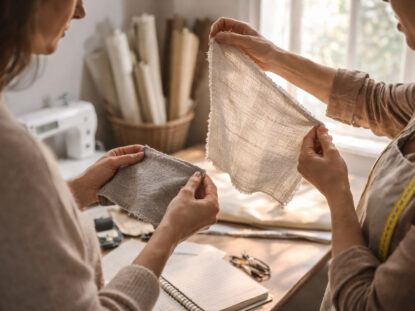
Selecting the right fabrics is the foundation of a healthy wardrobe. Natural fibers like cotton, linen, and wool breathe well and are often gentler on sensitive skin, while modern performance blends can wick moisture and resist odor for active days. Consider the lifecycle of materials: fabrics produced with fewer chemicals and lower water use tend to have a smaller environmental footprint. Prioritize pieces that feel comfortable against the skin and perform for your typical activities.
Start by identifying materials that suit your climate and lifestyle. Small swaps in fiber choices add up over time.
Balancing Style, Fit, and Sustainable Practices
A good fit improves comfort and reduces the urge to replace items due to poor wear. Tailoring inexpensive garments can extend their usefulness and align pieces with your personal style. When shopping, favor timeless silhouettes and versatile colors to maximize outfit combinations and lower consumption. Thoughtful purchases yield wardrobes that support confidence and minimize waste.
Aim for a capsule approach that respects your aesthetic and needs. Longevity often begins with buying less but choosing better.
Maintaining Clothing to Extend Lifespan
Proper care keeps garments looking and feeling newer for longer, cutting down the need to replace them. Follow care labels, wash in cold water when possible, repair small damages promptly, and store items to prevent stretching or fading. Simple habits like using a mesh bag for delicates or air-drying heavier items can significantly reduce wear. Investing a little time in maintenance preserves both appearance and performance.
Regular upkeep protects your investment and supports sustainable consumption. Consistent care habits make style choices more impactful.
Smart Shopping and Wardrobe Planning
Plan purchases by auditing what you already own to avoid duplicates and gaps. Make a list of needs before shopping, focusing on multifunctional pieces that move between work, leisure, and travel. Set a small budget and prioritize quality over quantity to reduce impulse buys and increase satisfaction. Use deliberate timing — shopping after evaluating outfits often leads to wiser decisions.
Seasonal planning and a simple shopping list save money and reduce regret. Small, intentional choices improve the coherence and usefulness of your wardrobe.
Conclusion
Building a healthier wardrobe is a gradual process centered on mindful choices about materials, fit, and care. Start with one change at a time—swap a fabric, tailor a favorite piece, or adopt a new laundering habit. Over months these small actions yield a more comfortable, sustainable, and stylish closet.