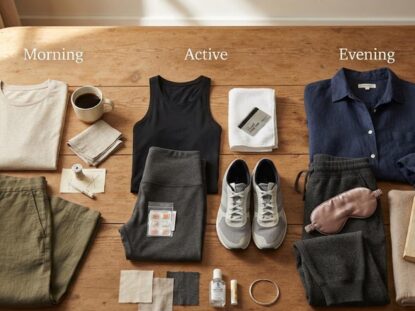
Creating a wardrobe that supports both wellbeing and personal style is an achievable goal. Thoughtful clothing choices can improve comfort, confidence, and daily function while reducing environmental and physical stress. Prioritizing fit, fabric, and versatility helps you move more freely and feel more at ease throughout the day. Small adjustments in garments and routines can make each day more comfortable. This article outlines practical strategies to build a healthy, stylish everyday wardrobe.
These approaches blend aesthetics with mindful consumption so your closet works for your life. Start small and iterate as your needs evolve.
Understanding healthy fashion
Healthy fashion goes beyond trends; it considers how garments affect your body and the planet. Breathable, non-restrictive fabrics reduce skin irritation and overheating, while ergonomic cuts support natural movement. Attention to materials also influences laundering frequency and durability, which can lower overall environmental impact. Considering manufacturing processes and chemical finishes helps protect both wearers and workers throughout the supply chain.
Shifting priorities helps you identify pieces that serve multiple roles and seasons. This mindset encourages smarter investments rather than impulse purchases.
Practical wardrobe strategies
Begin by evaluating how you spend your time and what clothing supports those activities best. Build a capsule of core items in neutral tones that fit well and pair easily, then add a few expressive pieces for variety. Prioritize adjustable or relaxed fits that accommodate slight body changes and layering for temperature control. Tailoring inexpensive basics can dramatically improve comfort and extend their usefulness. Rotate seasonal items to reduce wear and maintain a fresh, functional selection year-round.
Regularly edit your wardrobe to remove items that cause irritation or are rarely worn. A curated closet simplifies choices and reduces decision fatigue.
Choosing sustainable fabrics
Material choice is central to healthy fashion because it affects breathability, chemical exposure, and longevity. Natural fibers like cotton, linen, and wool often allow better air circulation, while modern recycled synthetics can offer durability and moisture management. Look for certifications and transparent supply chains to minimize exposure to harmful finishes or dyes. Washing and caring for garments according to their needs also preserves fabric performance and reduces micro-wear. Pay attention to blends and pilling tendencies so garments retain comfort and appearance longer.
Balance performance and comfort based on your typical activities and climate. Thoughtful care extends garment life and reduces waste.
Conclusion
Designing a healthy, stylish everyday wardrobe is a gradual process that rewards attention to comfort, fit, and materials.
By prioritizing versatile pieces, sustainable fabrics, and mindful shopping habits you can build a closet that supports wellbeing and personal expression.
Start with small changes, evaluate how items perform in daily life, and refine your choices over time.