Introduction
Creating a wardrobe that supports both personal wellbeing and environmental responsibility is more attainable than many realize. Thoughtful choices around materials, construction, and care can reduce exposure to irritating chemicals and cut down on unnecessary consumption. Emphasizing comfort, durability, and transparency helps garments support daily life while lowering overall impact. This article highlights practical trends and actionable steps for healthier, longer-lasting style.
Emerging Trends in Sustainable Fabrics
Designers and manufacturers are increasingly favoring fibers with lower environmental footprints, such as responsibly sourced natural fibers and regenerated materials made from existing textiles or post-consumer waste. Low-impact dyeing processes and plant-based finishes reduce chemical load and often yield softer, more breathable fabrics that are kinder to the skin. Certifications and transparent supply chains are becoming clearer, helping shoppers make informed decisions about production methods and worker conditions. Choosing pieces made with these priorities supports wellbeing at both personal and system levels.
When evaluating fabrics, look beyond buzzwords and focus on proven attributes like breathability, reduced chemical processing, and repairability. These qualities not only benefit the wearer but also extend garment life and reduce waste.
Building a Health-Focused Wardrobe
Start with a core of versatile, well-fitting garments that prioritize comfort and movement, and add specialist pieces as needed. Natural fibers such as linen, cotton, and wool tend to offer better breathability and are easier to launder gently, while regenerated synthetics can provide performance characteristics without as much new resource use. Pay attention to seams, linings, and trims, since hidden components often determine overall comfort and allergen exposure. Transparency about finishing processes and additives helps you select items that align with both style and health goals.
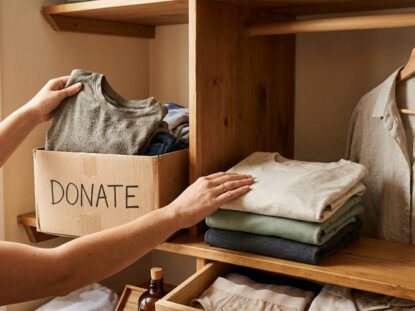
Investing in fewer, higher-quality items often reduces the total number of garments you need and lowers long-term exposure to problematic materials. A considered wardrobe supports easier choices and less impulse purchasing.
Practical Care and Longevity Strategies
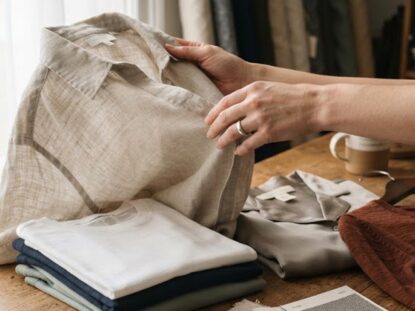
Extending the useful life of clothing is one of the most effective ways to reduce environmental impact while maintaining a tidy, functional wardrobe. Gentle washing, air drying where appropriate, and using mild detergents protect fibers and reduce microdamage that accumulates over time. Learning simple repair skills like sewing buttons, patching small holes, and reinforcing seams keeps garments wearable and comfortable. Proper storage and rotation prevent wear hotspots and help fabrics retain shape and performance.
- Wash in cool water and use a gentle cycle to preserve fibers.
- Choose biodegradable or fragrance-free detergents to reduce skin irritation.
- Mend small issues promptly to avoid more extensive damage later.
Routine care and small repairs are low-effort steps that preserve both aesthetic and functional value. They make sustainable fashion a practical part of everyday life.
Tips for Seasonless Style
Adopting a seasonless approach reduces the pressure to constantly update a closet and encourages flexible, multipurpose dressing. Focus on layering pieces, neutral palettes, and accessories that transform outfits across temperatures and occasions. Prioritize adaptable silhouettes that work alone or under outer layers and choose fabrics that behave well with repeated wear. This strategy simplifies decision-making while supporting a curated, health-conscious collection.
Seasonless wardrobes can also lower shopping frequency and improve garment utilization. Thoughtful combinations make dressing easier and align with long-term wellbeing and sustainability goals.
Conclusion
Creating a healthier, more sustainable wardrobe combines mindful material choices, intentional purchasing, and simple care habits. Small changes in how garments are selected and maintained add up to better wellbeing and a lighter environmental footprint. By prioritizing durability, transparency, and comfort, anyone can build a closet that supports style and health over the long term.