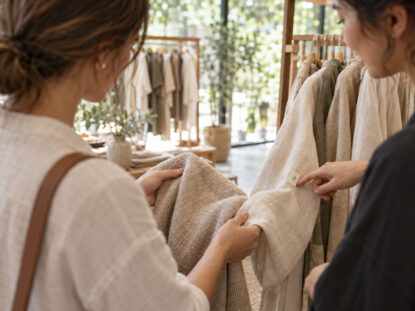
Fashion and wellness increasingly overlap as people look for clothing that supports daily comfort and long-term health. Small choices about fabric, fit, and care can reduce irritation, improve mobility, and limit exposure to unwanted chemicals. This article outlines practical steps for building a wardrobe that prioritizes well-being without sacrificing style. Use these guidelines to make thoughtful purchases and maintain garments so they serve you better over time.
Adopting healthier wardrobe habits does not require a complete overhaul; it begins with informed decisions. Prioritizing breathable fabrics, ergonomic fits, and responsible care extends both comfort and garment life.
Health-Focused Fabric Choices
Choosing the right fabrics is the first step in creating a health-conscious closet. Natural fibers like cotton, linen, and wool tend to breathe better and reduce skin irritation compared with some synthetic alternatives, while performance blends can offer moisture management for active days. Look for certifications and clear labeling to avoid pieces treated with unnecessary chemicals or finishes. Consider the lifecycle of a fabric, including how it sheds microfibers during washing and how easily it can be repaired or recycled.
When shopping, test fabrics for texture and breathability and prioritize materials that feel comfortable against the skin. Selecting fabrics purposefully helps prevent common issues such as overheating or chafing.
Design and Fit That Support Well-Being
Good fit and thoughtful design influence posture, range of motion, and overall comfort. Seek garments with ergonomic seams, flexible panels, and adaptive closures that accommodate daily movement without creating pressure points. Avoid overly tight structures in pieces worn for long periods, and opt for adjustable elements in shoes, waistbands, and outer layers. Design details like flat seams and tag-free labels can minimize irritation for sensitive skin.
Investing in a few well-fitting staples often yields greater comfort than owning many ill-fitting items. Tailoring simple pieces can transform both their look and how they feel on your body.
Sustainable Care and Wardrobe Longevity
How you care for clothing affects both health and environmental impact. Gentle washing, lower temperatures, and air drying reduce fabric degradation and energy use, while proper storage prevents mildew and odors. Repairing small issues like loose buttons or worn hems keeps garments serviceable and avoids unnecessary replacements. Being mindful of microplastic release by limiting machine drying for synthetics also supports broader health concerns linked to pollution.
Establish simple maintenance routines to extend the functional life of garments and reduce waste. Proper care preserves appearance, comfort, and the value of each piece you wear.
Mindful Purchasing Habits
Mindfulness at the point of purchase helps build a cohesive, health-forward wardrobe. Create a capsule of versatile pieces that match your daily activities and reduce impulse buys that often end up unused. Research brands for transparent supply chains and health-related claims, and favor quality over quantity where possible. Prioritize items that meet multiple needs such as comfort, durability, and easy care.
Over time, a curated wardrobe saves money and reduces stress associated with outfit choices. Thoughtful purchasing aligns style with practical well-being benefits.
Conclusion
Building a healthier daily wardrobe is a process of small, intentional choices about materials, fit, care, and purchasing. These changes improve daily comfort and extend the usable life of clothing while supporting broader sustainability goals. Start with one or two adjustments and let those habits guide future decisions.