Introduction
Creating a sustainable wardrobe is less about perfection and more about consistent, thoughtful choices. Small adjustments in buying, caring for, and pairing garments can significantly reduce waste and extend the life of clothing. This article outlines practical habits that help you build a versatile, eco-conscious closet without sacrificing style or convenience. The focus is on actionable steps you can use today to make your wardrobe work smarter.
Understanding Sustainable Fabrics
Sustainable fabrics are defined by their lower environmental impact across production, use, and disposal. Natural fibers like organic cotton, linen, and hemp often require fewer synthetic inputs, while recycled materials reduce landfill contributions. Choosing fabrics with clear certifications or transparent sourcing can guide better purchases. Prioritizing durability and timeless textures also reduces the need for frequent replacement.
When selecting garments, consider how the fabric will behave over time and with care. Durable materials may cost more upfront but offer better value per wear. Aim for a balance between comfort, longevity, and ease of maintenance.
Building a Versatile Capsule Wardrobe
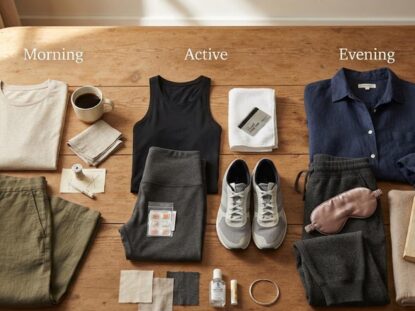
A capsule wardrobe centers on quality basics and a limited color palette for easy mixing and matching. Start by auditing what you already own, then identify gaps that prevent multiple outfit combinations. Invest in a few multi-functional pieces that transition between casual and formal settings. Focus on silhouette, fit, and neutral tones to maximize outfit permutations.
- List essentials: a neutral jacket, adaptable trousers, classic tops, and comfortable shoes.
- Choose three accent pieces for seasonal variety.
As you refine your capsule, slow down new purchases and reassess needs before buying. This habit reduces impulse shopping and increases intentionality with each item added.
Practical Care to Extend Garment Life
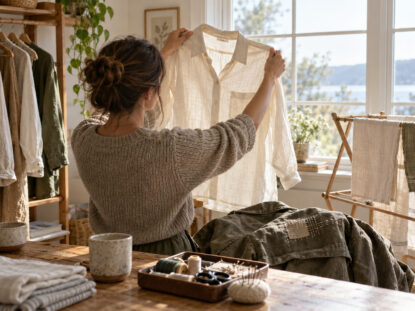
Proper care is one of the simplest ways to make fashion more sustainable. Follow garment labels, air clothes when possible, and use gentle wash cycles to prevent premature wear. Simple repairs—sewing a seam or replacing a button—can add months or years to a piece. Storing items correctly and avoiding direct sunlight will preserve color and fabric strength.
Creating a small repair kit and learning basic mending skills makes maintenance accessible. Treat clothing as an investment and incorporate care routines into your regular habits.
Conclusion
Adopting sustainable wardrobe habits is a practical journey rather than a one-time fix. By choosing durable fabrics, building a versatile capsule, and caring for garments, you reduce environmental impact and save money over time. Small, consistent changes lead to lasting benefits for your style and the planet.