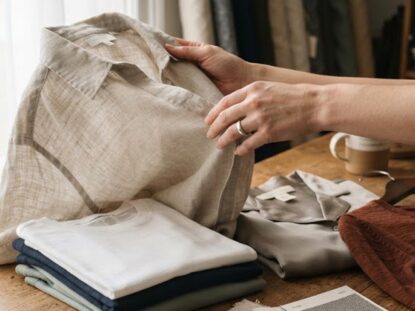
Healthy fashion is shifting from a niche conversation into mainstream design practice, prioritizing garments that support physical comfort and long-term wellbeing. Buyers increasingly expect clothing that balances thoughtful aesthetics with breathable materials, ergonomic construction, and responsible manufacturing processes. For industry professionals, this shift requires rethinking choices at every stage, from fiber selection to end-of-life planning. This article outlines practical approaches designers, brands, and retailers can adopt to encourage healthier wardrobes for consumers and workers alike.
Material Choices and Wearer Wellbeing
Selecting the right fibers and finishes is foundational to creating garments that promote wearer health; natural, regenerative, and recycled fibers often deliver improved breathability and lower risks of skin irritation than many untreated synthetics. Advances in low-impact dyeing, waterless finishing, and enzyme-based processing reduce chemical residues and environmental burden while maintaining colorfastness and hand feel. Prioritizing third-party certifications, transparent material declarations, and independent testing helps validate safety claims and guides purchasing decisions. Designers can also choose engineered textiles that manage moisture and thermal comfort to improve performance across daily activities.
Small shifts in sourcing and specification significantly reduce exposure to harmful finishes and support longer garment lifespans. Making material testing a routine part of development helps ensure safer outcomes for customers and supply chain partners.
Design for Longevity, Fit, and Comfort
Thoughtful construction extends product life and reduces waste from premature failure, with techniques like reinforced stitching, quality shell fabrics, and repair-friendly seams. Incorporating adjustable details—such as movable hems, adjustable waist features, and modular panels—broadens fit options and adapts to changes in body size or preference, promoting continued wear. Choosing timeless silhouettes and multipurpose designs encourages repeated use, a practical strategy that improves both environmental impact and user wellbeing. Attention to small design details like flat seams, tagless labeling, and ergonomic seam placement can minimize chafing and enhance daily comfort.
Educating customers on care instructions and offering repair or refurbishment services helps preserve garment function and value. These measures align product design with healthier, longer-term usage patterns.
Supply Chain Practices and Consumer Transparency
Transparent supply chains enable audits of worker safety, chemical management, and environmental controls that affect both production communities and end users. Localizing production where feasible or working with vetted partners that uphold strong occupational health standards reduces transportation impacts and improves oversight. Clear labeling about maintenance, material origin, and safety testing empowers consumers to make choices that align with their wellbeing goals. Collaborative initiatives with suppliers on safer chemistry, wastewater treatment, and closed-loop recycling reduce contaminants and keep materials in circulation.
Investing in traceability tools, supplier training, and independent verification enhances product integrity and builds consumer trust. Brands that clearly communicate these efforts differentiate themselves while supporting healthier outcomes across the value chain.
Conclusion
Integrating health-focused practices across material selection, thoughtful design, and transparent sourcing produces clothing that supports both people and the environment. Practical, incremental changes—such as better fabric disclosures, repair services, and ergonomic details—deliver measurable improvements in comfort, safety, and longevity. The next step is for industry stakeholders to embed these strategies into everyday product decisions and customer communications.