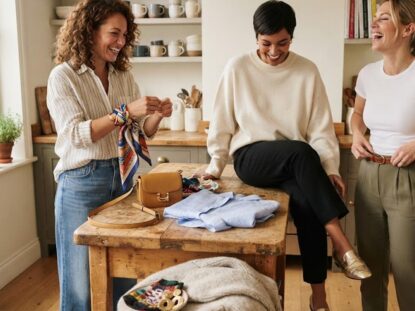
How you dress affects more than looks; it affects how you move, how you spend your day and how you feel by afternoon. Small, intentional changes to fabrics, fit and details can reduce friction, speed dressing and leave energy for things that matter. This piece focuses on practical swaps you can try in a single shopping trip or a weekend of closet editing. No extremes, just realistic moves toward clothes that support a lighter, more active day.
Start with easy experiments rather than an overhaul. Try one change for a week and notice how it alters routines and mood.
Choose fabrics that work with movement
Natural fibers like cotton and linen have long been favorites because they breathe and handle body heat well, but blends with a bit of stretch often outperform them for everyday movement. Look for small percentages of elastane or modal where you want give—waistbands, knees, and underarm panels—so garments follow your motion instead of fighting it. Technical knits and everyday performance fabrics are no longer only for workouts; they make shirts and dresses that resist wrinkling and dry faster after a spill. The right fiber mix reduces the need for constant adjusting and keeps you comfortable across temperature changes.
Fabrics that cooperate with activity let you carry on without the nagging awareness of tight seams or clingy textures. That freedom alone can make your day feel easier.
Prioritize fit that encourages ease
Fit matters more than size tags. A blouse that skims the body at the shoulders but loosens through the waist will feel lighter than a tight top labeled one size smaller. Likewise, trousers with a slightly higher rise or a relaxed thigh give you the reach and bend you need without needing to tug or untuck. Tailoring inexpensive items—shortening a sleeve, letting out a seam—often yields better everyday pieces than buying something flashy off the rack. When you select clothes that move with you, they stop being obstacles and start serving their purpose quietly.
Consider a short list of tailoring fixes you’d tolerate; small stitches usually return big improvements in comfort and confidence.
Small styling decisions that lift mood
Color and texture can nudge your mood without requiring a full wardrobe redo. A soft scarf, a well-placed pocket square, or shoes in a cheerful yet wearable hue can brighten a routine outfit and make it feel intentional. Avoid over-accessorizing: pick one accent that brings pleasure and complements the rest of your look so you don’t add clutter you’ll remove. Practical details—easy closures, pockets, and shoes you can step into—save time and reduce friction, meaning fewer moments of annoyance during the day.
These minor adjustments compound: a brighter detail, less fidgeting, and a better fit combine to create a more pleasant daily experience.
Conclusion
Choose fabrics and fits that respect your movement and lifestyle. Make two small edits this week—a fabric swap and one tailoring fix—that you can measure by comfort. Observe how those changes free up both time and energy for the rest of your day.