Introduction
Extending the life of clothing reduces waste, saves money, and lessens demand for new production. Small, consistent habits around washing, storing and mending add up over time and improve how garments hang and perform between wears. This article outlines practical steps you can apply to everyday garments, from casual tees to seasonal outerwear. Adopt a few new routines and you will notice both improved appearance and function of your clothes, and greater satisfaction in your wardrobe choices.
Why garment longevity matters
When clothes last longer they require fewer replacements, which lowers your environmental footprint and helps control household spending. Fabrics, dyes and manufacturing all consume energy and water, so keeping items in service is an effective way to reduce demand and the cumulative impacts of production. Longer-lasting garments also support a clearer personal style because you end up relying on fewer, better-loved pieces that still look intentional. Thinking about longevity shifts decisions from impulse to intention, encouraging repairs and thoughtful acquisition.
Prioritizing durability helps both the planet and your daily routine by reducing clutter and saving time otherwise spent shopping. Small changes in care and choice compound into meaningful results over months and years.
Practical care habits
Start by reducing washing frequency: many garments need airing rather than washing after each wear, and over-washing accelerates wear and fades color more quickly. Use cold water and gentle cycles where appropriate, choose milder detergents to preserve fibers and colors, and avoid harsh bleaching agents that weaken fabric. Avoid tumble drying when possible; reshape damp items and dry them flat or on hangers to maintain fit and prevent stretching. Regularly remove pills, check seams, and treat small stains promptly to prevent permanent damage and extended deterioration.
- Wash less and spot-clean when possible to extend fabric life.
- Use protective laundry bags for delicates to reduce friction.
- Dry naturally when you can and store items folded or hung properly to avoid distortion.
These simple habits protect fabric integrity and appearance and are easy to incorporate into weekly routines. Over time they require little effort but make a big cumulative difference in how garments look and perform.
Smart shopping and repair
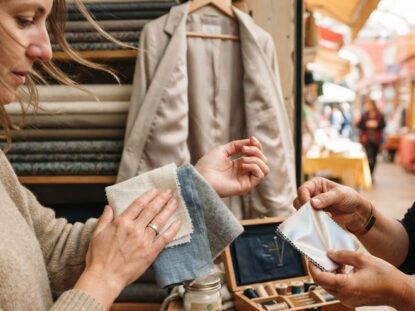
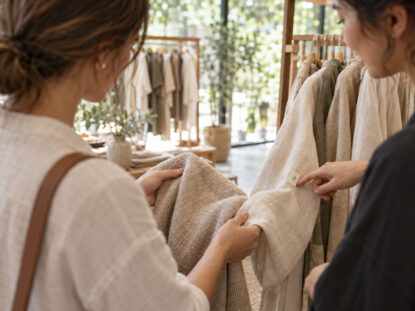
When acquiring new pieces, favor quality over quantity: look for sturdy seams, natural fibers and timeless cuts that wear well and can be mended if needed. Shopping secondhand, swapping with friends, or choosing items with repairable construction extends the life of garments beyond a single owner. Learn basic repair skills—sewing a seam, replacing a button or patching a hole—or keep a trusted tailor on hand for professional fixes. Small repairs are affordable and often restore garments to like-new condition, saving both money and materials.
A mindful approach to buying and fixing reinforces the care practices above and builds a wardrobe that performs well over time. Together these strategies create a manageable system for maintaining a practical, durable closet.
Conclusion
Careful daily practices, thoughtful purchases and simple repairs all contribute to longer garment life. Adopting these habits reduces waste, saves money, and preserves the look of your wardrobe. Start with one change today and build on it over time.