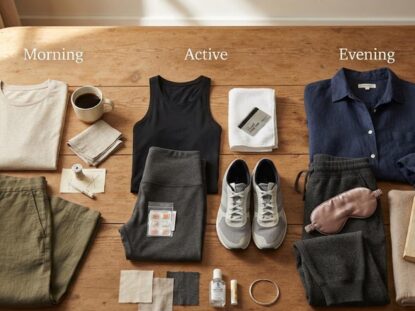
Creating a wardrobe that supports both personal wellbeing and style starts with intentional choices. Healthy fashion balances breathable materials, ergonomic fits, and sustainable practices that benefit comfort and the environment. By focusing on fabric quality, proper fit, and simple care routines you can reduce irritations, extend garment life, and feel better in what you wear. This article offers practical steps to build a healthier closet without sacrificing aesthetics.
Choosing Healthier Fabrics
Start by selecting materials known for breathability and low chemical processing. Natural fibers like organic cotton, linen, and certain regenerated fibers offer moisture management and reduced skin irritation compared with heavily treated synthetics. Look for certifications and transparent sourcing claims when possible, since production methods affect both wearer health and environmental impact. Prioritizing these fabrics lays a foundation for garments that are kinder to skin and more comfortable in daily wear.
- Organic cotton: soft, breathable, and low on synthetic chemicals.
- Linen: strong, breathable, and naturally antimicrobial when untreated.
- Regenerated fibers (like Tencel-style): smooth, moisture-wicking, and biodegradable.
Choosing healthier fabrics also supports long-term comfort and reduces the need for symptomatic solutions, such as frequent washing to remove irritants. Small fabric decisions compound into a more comfortable closet over time.
Design and Fit: Prioritizing Comfort
Fit influences both comfort and confidence; garments that allow ease of movement reduce friction and strain during daily activities. Favor cuts that follow natural body lines without constricting, and consider adjustable features like elastic waists, shirttails, or wrap styles that adapt to your shape. Seams, labels, and hardware can cause irritation, so inspect construction details when shopping. Thoughtful silhouettes make dressing simpler and reduce the impulse to overlayer for comfort.
Investing in a few well-fitting pieces will often outlast many trend-driven items and keep daily routines smoother. A practical fit-first approach helps you feel better immediately while promoting smarter long-term consumption.
Care Practices to Extend Garment Life
How you care for clothes affects both their performance and their ecological footprint. Wash items on gentle cycles with mild detergents, choose lower temperatures when appropriate, and avoid overwashing garments that do not require frequent laundering. Simple mending and mindful storage prevent small issues from becoming reasons to discard pieces prematurely. Extending the life of your clothes reduces waste and ensures materials keep you comfortable longer.
- Wash infrequently and air-dry when possible to preserve fibers.
- Mend small tears and reinforce seams early to avoid replacements.
- Store garments away from direct light and moisture to prevent degradation.
Consistent care practices create a more reliable wardrobe that supports wellbeing and reduces the need for frequent purchases. Over time, these habits translate into financial and environmental savings.
Conclusion
Building a health-conscious wardrobe is about purposeful fabric choices, sensible fits, and simple maintenance routines. These choices improve daily comfort and reduce environmental impact while preserving style flexibility. Start small, prioritize quality, and let practical habits guide your closet evolution.