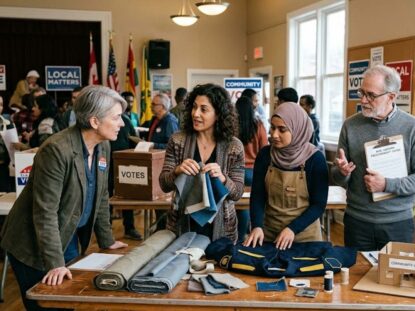
The decisions made at city hall and in local councils shape how clothing is produced, sold, and disposed of in everyday life. Zoning rules, procurement policies, and local incentives quietly influence whether small designers can open studios, whether textile waste is collected, and which retailers thrive. These choices affect jobs, environmental impacts, and who gets a seat at the table when fashion becomes a public concern. Understanding those levers helps residents press for fairer outcomes without waiting for national action.
Where local policy meets fashion
Local governments control many small levers that, together, direct the fashion economy across neighborhoods. Business licensing determines storefront accessibility; zoning shapes where studios and manufacturing can operate; and public procurement policies create predictable demand for uniforms or textiles. Waste collection schedules and recycling programs change the economics of garment reuse and repair, while event permitting influences the visibility of local makers. All these decisions add up to a local landscape that either supports community-based fashion or funnels activity toward larger, less accountable players.
These are practical tools, not abstract ideals. Officials can tailor them to local needs without rewriting national law, and residents can propose changes through council meetings and petitions.
Practical municipal levers that matter
City governments have a surprisingly concrete toolkit to shape more equitable and sustainable clothing systems. Procurement rules can prioritize local makers or sustainable materials, helping steady demand for small businesses. Zoning and permit adjustments can reduce barriers for micro-manufacturing and shared workspaces, enabling designers to operate affordably. Waste and recycling programs—along with textile take-back requirements—shift disposal habits and make reuse economically viable.
- Prefer local suppliers in municipal contracts.
- Create flexible zoning for creative manufacturing.
- Fund textile collection and repair hubs.
When applied together, these measures generate visible shifts: new jobs, cleaner neighborhoods, and more resilient local economies. They also create models that other jurisdictions can adapt.
Politics, participation and accountable outcomes
Policy is ultimately political: who gets heard determines priorities. Community organizers, worker groups, and small-business owners bring different needs to the table, and elected officials weigh those demands amid budget constraints. Campaigns that highlight the local economic benefits of sustainable fashion—job creation, reduced waste, lower cleanup costs—tend to win broader support across constituencies. Transparency in decision-making and inclusive public engagement improve policy design and acceptance.
Equitable outcomes require both technical fixes and political will. Engaged residents can push councils to adopt changes that reflect everyday realities rather than abstract industry interests.
Conclusion
Local policy shapes how cities wear their fashion commitments, from zoning to procurement. Small, targeted changes can produce measurable benefits for people and the environment. Residents who understand and participate in local politics can steer wardrobe policy toward fairness and resilience.