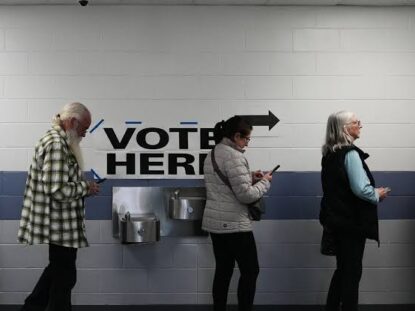
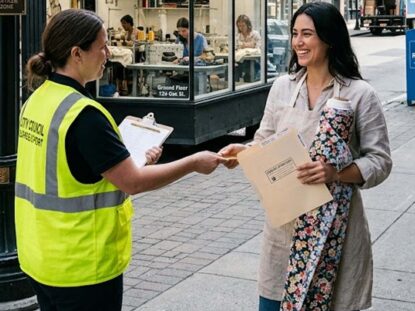
Elections reshape local agendas in ways many shoppers never see.
Candidates and councils set priorities that reach fabric mills, retail streets, and small ateliers.
Decisions about zoning, procurement, and worker oversight move through ballots into concrete rules.
Recognising that connection lets voters assess how everyday clothing outcomes reflect civic choices.
How political cycles influence apparel regulation
Local and regional campaigns often compress complex policy debates into a few clear promises, and those promises can include measures affecting the fashion sector. A new mayor or council member can change enforcement priorities for labor protections, redirect procurement toward sustainable suppliers, or support business grants for local makers. Elected timelines also shape what issues get attention — short-term wins like pop-up markets are easier to champion than long-term supply chain reforms. These timing effects mean that the same textile or retail problem will be handled differently depending on which issues are politically visible.
That volatility creates both risk and opportunity for industry actors and communities alike. Businesses must be adaptive while advocates can exploit election moments to push for deeper shifts.
Policy levers that change industry practices
Municipalities and regional bodies have a surprising toolkit that affects what gets produced and sold. Procurement rules determine whether public uniforms and linens come from certified factories. Zoning and permitting shape where workshops and distribution centers can operate, influencing logistics and local employment. Transparency and disclosure laws can push brands to reveal supplier relationships, which alters purchasing and reputational incentives. Each lever nudges different parts of the chain, from raw material sourcing to in-store display.
- Procurement preferences for ethical suppliers
- Zoning changes that favor small manufacturing
- Disclosure requirements for supply chains
Used together, these levers create a policy environment that rewards better practices and raises the cost of harmful ones. Strategic, targeted rules are often more effective than broad, unfunded mandates.
What voters and advocates can do
Engagement around apparel policy need not be technical to be effective. Voters can ask candidates about specific levers—procurement, zoning, and enforcement—and demand timelines for action. Advocacy groups that translate supply chain concerns into local impacts, like neighborhood job access or waste management, tend to persuade more council members. Businesses, meanwhile, can show how policy clarity reduces compliance costs and encourages investment in cleaner production.
Election season is an opening for practical commitments, not only rhetoric. When residents insist on measurable promises, policy follows in clearer directions.
Conclusion
Voting shapes the rules that touch the clothes we buy and the jobs behind them.
Small municipal choices add up into industry-wide incentives and behaviors.
Being specific in elections leads to more accountable, tangible changes in fashion policy.