Small choices in what you wear affect more than just how you look. Fabric, cut and where a garment sits on your body shape how you breath, shift through the day and even sleep at night. This piece points to practical, easy tweaks — swapping materials, adjusting fit and rethinking nightwear — that improve comfort and daily movement. You don’t need a total wardrobe overhaul; focused swaps will make clothes work for your body rather than against it.
Fabrics That Encourage Cooler, Drier Days
Start by choosing fabrics that match activity and temperature rather than styling trends. Natural fibers like cotton and linen let air circulate, while modern moisture-wicking blends move sweat away from skin during active periods. Pay attention to weave and weight: a loosely woven shirt breathes more than a dense, heavy knit even if both are labeled cotton. For layered outfits, put a breathable base layer beneath a more protective outer piece to balance airflow and insulation.
A quick test at the store is to hold fabric up to light — if light passes through, air probably will too. When in doubt, prioritize a breathable base that can be swapped quickly for comfort during long days.
Fit That Supports Movement and Easier Breathing
Clothes that are too tight restrict range of motion and can subtly interfere with posture and breathing. Choose cuts that allow shoulder rotation and a full breath across the chest; a little extra room through the torso makes sitting and standing less constrained. Waistbands should sit comfortably without digging, and sleeves or pant rises that pull will change how you move. Footwear matters too: supportive shoes reduce compensating strains that travel up the body when you walk.
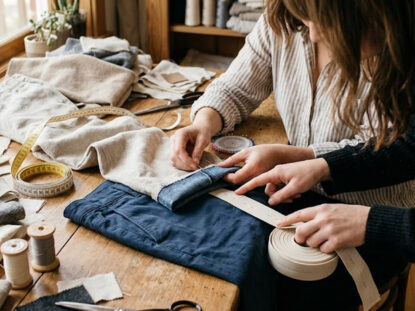
A tailor can turn an off-the-rack purchase into a piece that supports natural alignment without feeling altered. Small adjustments deliver noticeable improvements in comfort over a single long day.
Nightwear and Small Habits That Improve Rest
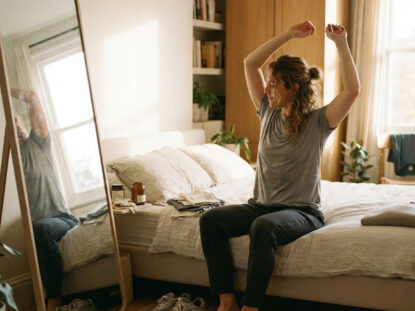
What you sleep in influences temperature regulation and how comfortably you shift overnight. Loose-fitting, breathable pajamas reduce skin friction and allow the body to cool naturally, which helps light, uninterrupted sleep. Avoid heavy or clingy fabrics right before bed; cooler feet often help many people fall asleep faster, so light socks can be a useful option. Also keep a routine: a dedicated set of sleep clothes signals your brain that it’s time to wind down.
Reserve tighter or restrictive garments for daytime and use a simple, breathable set for nights. These small habit shifts are low effort but high reward for overnight comfort.
Conclusion
Clothing choices that prioritize breathability, sensible fit and night comfort deliver steady improvements to daily ease. You won’t resolve every discomfort with a single change, but targeted swaps across fabrics, fit and sleepwear add up quickly. Start with one garment this week and notice how small changes alter your movement, rest and overall comfort.