Style and wellbeing intersect more often than people assume. Small choices in clothing, fabric, and routine influence comfort, confidence, and environmental impact. Adopting simple, consistent habits helps you build a wardrobe that supports daily health and longer garment life. This article outlines practical approaches to selecting pieces, caring for them, and creating routines that feel intentional. You don’t need a complete overhaul—just clearer priorities and mindful actions.
Why mindful dressing matters
Thoughtful dressing is about more than appearance; it affects how you move, sleep, and engage with your day. Clothing that breathes, fits well, and suits the climate reduces physical stress and contributes to a calmer mindset. When garments last longer and match your lifestyle, you waste less time and money on constant replacements. Considering these factors encourages purchases that align with both personal comfort and broader sustainability goals.
Making choices with intention also reduces decision fatigue. A streamlined wardrobe means fewer daily dilemmas and more energy for other priorities. Over time, those small reductions in friction contribute to improved wellbeing.
Choosing fabrics and silhouettes for comfort
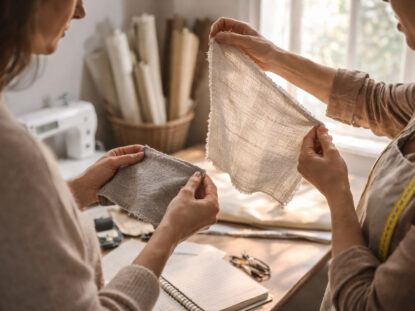
Materials influence skin comfort, temperature regulation, and garment longevity. Natural fibers like cotton, linen, and wool tend to breathe and feel comfortable for many activities, while some modern blends offer stretch and resilience that extend wearability. Pay attention to construction and fit: seams, linings, and closures can make a major difference in comfort throughout the day. Aim for silhouettes that allow movement without constant adjustment.
Learning to read labels and feeling fabrics in person will improve future decisions. Over time you’ll develop a sense for which combinations match your daily routines and climate needs.
Caring for clothes to extend life
Proper care preserves both appearance and function, reducing the need to replace pieces prematurely. Simple practices—washing less frequently, using gentle cycles, air-drying, and repairing minor damage promptly—can dramatically lengthen a garment’s usable life. Storing items properly prevents stretching and fabric breakdown, while basic tailoring can refresh a piece that no longer fits perfectly. These actions keep your wardrobe performing well and reduce waste.
- Repair small tears and replace buttons quickly.
- Rotate regularly to avoid wearing out favorite pieces.
Routine maintenance pays off in cost savings and a smaller environmental footprint. A few minutes of care often add years to the life of a garment.
Conclusion
Intentional style blends comfort, function, and responsibility into daily life. Small, consistent choices about fabrics, fit, and care make a measurable difference. Over time those habits create a wardrobe that supports both wellbeing and sustainability.