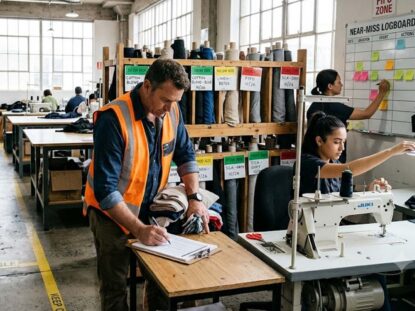
Many fashion brands talk about health and sustainability, but too few measure how those commitments actually perform. Clear, targeted KPIs help teams move beyond intentions and spot where production, materials, and workplace habits affect human and environmental health. A handful of well-chosen metrics can align buyers, designers, and factory managers on the same goals. Start small, track consistently, and let numbers inform practical changes rather than become a reporting burden.
Why health KPIs matter
Metrics make invisible risks visible: repeat chemical exposures, turnover tied to poor ergonomics, or waste hot spots in the supply chain. For business leaders, that visibility converts into quicker decisions about sourcing, batch sizes, or training investments. Investors and partners also respond better to quantified plans than to broad statements. KPIs create accountability across teams and provide a neutral way to compare suppliers and processes.
When KPIs focus on outcomes instead of activities, they reveal where to spend limited resources. That clarity helps prioritize pilot projects and scale what actually reduces harm.
KPIs to prioritize
Start with a compact dashboard that ties health outcomes to daily operations and product choices. Include metrics that measure both people and product: workplace incident rates, average sick days per employee, volume of low-toxicity materials sourced, and percentage of production meeting defined exposure limits. Add a waste-to-product ratio and supplier audits completed on schedule to capture process impacts.
- Workplace incident rate (per 100 employees)
- Average sick days and turnover
- Percent of materials meeting low-toxicity criteria
- Waste-to-product ratio
- Supplier audit completion and remediation rate
Keep the list short and tied to decisions you can make within a quarter or two. Too many KPIs dilute focus and slow action.
Collecting reliable data
Good KPIs need consistent, auditable inputs. Use standardized forms for incident reporting, digital checklists on the factory floor, and simple material declarations from suppliers. Train a few on-site staff to collect baseline samples or partner with a lab for periodic testing rather than relying on one-off surveys. Automate where possible to reduce human error and reporting fatigue.
Quality beats quantity: a few trustworthy signals are more useful than many noisy ones. Review data collection methods quarterly and refine definitions so numbers stay comparable over time.
Turning metrics into operational change
Translate KPI trends into concrete experiments: a supplier switch, a new ventilation layout, or different cutting tools that reduce repetitive strain. Set short-term targets and assign owners who can run pilots and report back within 60–90 days. Use scorecards to reward teams that hit health targets alongside cost and delivery goals.
Reporting should inform routine meetings, not sit in a quarterly slide deck. Regular, small adjustments driven by clear KPIs make lasting operational improvements more achievable.
Conclusion
Health KPIs give fashion brands a practical way to prove progress and prioritize fixes. Start with a compact set of reliable measures that link directly to decisions and costs. With consistent tracking, small operational shifts add up to meaningful improvements in both health and performance.