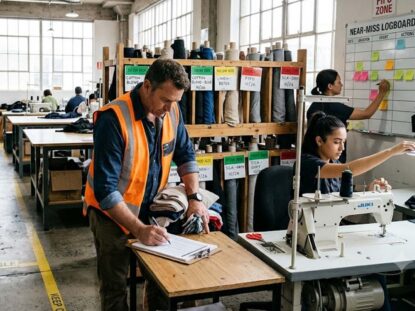
Small operational changes often add up faster than a big sustainability plan. For fashion businesses focused on health and longevity, trimming waste improves margins and reduces strain on teams who deal with returns and excess stock. Practical shifts — from how you order fabric to how you describe fit online — change what gets produced and who buys it. This piece outlines clear, actionable steps you can fold into daily routines without a complete overhaul.
Streamline inventory and material use
Audit the items that consistently sit unsold and identify patterns by fabric, color, or size. Favor modular orders: smaller batches with frequent reorders reduce dead stock and let teams respond to real demand rather than forecasts. Work with suppliers on minimum-order adjustments and insist on clear labeling that speeds quality checks when shipments arrive.
- Adopt a simple color- and size-mix matrix for each style to limit overproduction.
- Use digital tags to track fabric remnants and pair leftovers with future projects.
- Set reorder triggers linked to sell-through rates, not just time since last order.
These habits shrink the pile of unsold goods and cut material waste without complex software. Over time they also free warehouse space and reduce handling work for your team.
Safer, healthier production workflows
Design workflows that reduce rework: clear specifications, sample approvals, and simple quality gates prevent items from being remade or discarded. Place a single staff member in charge of final inspections to speed decisions and maintain consistency. When defects happen, route small issues to repair or resale channels instead of trashing them.
- Standardize size and finish checks at three production points.
- Create a repair loop for seconds to be reconditioned or sold as outlet stock.
Prioritizing these steps protects worker time and avoids the health costs of repetitive corrections. It also preserves materials and keeps products moving to customers faster.
Customer-facing policies that reduce returns
Returns create a large share of post-sale waste; clear product pages and honest fit information reduce them. Offer detailed measurements, fabric behavior notes, and multiple customer photos so buyers know what to expect. Make returns simple but informative: capture why an item was returned to identify fixable trends.
- Provide a fit guide based on real measurements, not generic sizes.
- Use a short online form for return reasons to collect actionable data.
With better upfront information, customers choose more carefully and your logistical load drops. That translates into fewer reverse shipments and less product handling overall.
Conclusion
Cutting waste in everyday operations is less about grand gestures and more about disciplined routines. Small ordering, inspection, and customer-communication habits add up to healthier margins and fewer discarded garments. Start with one change and scale practices that show clear improvements.