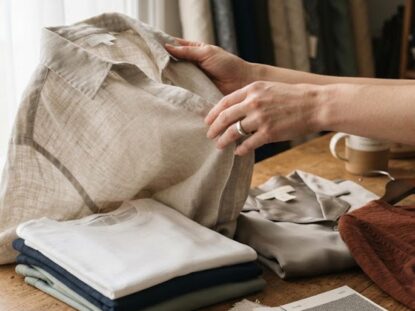
Choosing the right fabric affects comfort more than most people realize. Small decisions about material and construction change how garments feel against skin during a long day. Attention to breathability, weave, and finish can prevent rubbing, overheating, and allergic reactions. This article walks through practical fabric choices and simple care steps that keep your wardrobe kinder to your body.
Why fabric choice matters
Fabric determines how your skin breathes, how moisture moves, and how garments age. Natural fibers often allow better airflow and reduce the likelihood of trapped sweat, while some synthetic blends wick moisture but can trap heat if poorly designed. The dyes and finishing chemicals used in production also influence irritation for sensitive skin. Cost and sustainability are important, but prioritizing tactile comfort pays off in daily wearability.
- Look for tight, smooth weaves to minimize abrasion.
- Prefer pre-washed or enzyme-finished fabrics to avoid stiff finishes.
Ultimately, testing a fabric against your skin before buying and checking labels helps avoid surprises. A small patch test against your wrist can reveal if a fabric causes immediate itch or stiffness. When in doubt, choose looser cuts and softer linings to reduce direct friction.
Fabrics to favor and avoid
Some materials consistently perform well for comfort: lightweight cottons, modal, bamboo-derived viscose, and certain merino wool blends offer softness and moisture control. High-quality linen breathes and cools but can be coarse in cheaper grades, so check the feel. Avoid rough synthetic fabrics that catch and rub, and untreated wool if your skin is reactive. Fabrics treated with heavy finishes or strong dyes are more likely to cause irritation for sensitive individuals.
- Favor: combed cotton, Tencel/lyocell, fine merino, soft linen.
- Avoid: scratchy acrylics, stiff polyester knits, heavily coated textiles.
Choosing mid-weight fabrics for warmth and thin layers for ventilation helps adapt to changing temperatures. Always wash new garments before wearing to remove finishing residues.
Shopping and care strategies
Read care labels and look for information on fiber content and recommended washing. Handwashing delicate pieces or using a gentle cycle preserves softness and reduces pilling. Use mild, fragrance-free detergents if you have sensitive skin, and skip fabric softeners that can leave residues. Turning garments inside out and using a mesh bag for delicate items reduces abrasion during machine cycles.
- Test new items on a full day before deciding to keep them.
- Air-dry when possible to maintain shape and finish.
Simple adjustments at the point of purchase and at home extend comfort and garment life. Over time, those habits reduce irritation and make everyday dressing more pleasant.
Conclusion
Picking the right fabrics is a practical way to protect your skin and stay comfortable throughout the day.
Small shopping habits and gentle care routines make a big difference over time.
Start with a few swaps and notice how much more enjoyable your clothes feel.