Fashion waste has become a visible problem in landfills and closets alike.
You don’t have to overhaul your wardrobe to make a meaningful difference.
Small, consistent choices about buying, caring for, and repairing garments add up over time.
This article focuses on practical steps readers can adopt without sacrificing personal style.
Rethink What You Already Own
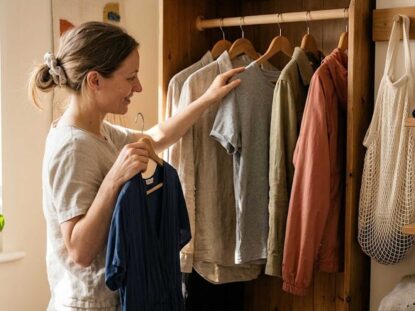
Before buying something new, give your existing pieces a fresh look.
Mixing accessories, experimenting with layering, or altering hems can revive garments that feel dated.
A brief audit of outfits you wear regularly highlights gaps you really need to fill versus impulse wants.
A few thoughtful alterations can turn a near-miss into a favorite.
Keeping a small repairs kit at home stops minor issues from rendering clothes unwearable.
That habit alone can dramatically extend the life of shirts, jeans, and knitwear.
Smart Swaps at the Store
Choose fabrics that balance durability with comfort, such as tightly woven cotton blends or midweight linens.
Prioritize construction details like reinforced seams and quality zippers that prevent early failure.
Buying fewer, better-made items often costs more at checkout but lowers replacement frequency over time.
Also consider secondhand and outlet options where quality pieces arrive with smaller environmental footprints.
Check care labels at the store to understand long-term upkeep.
- Swap cheap fast-fashion tees for sturdier midweight knits.
- Choose trousers with reinforced stitching and replaceable buttons.
- Try pre-loved coats and denim for broken-in durability.
Small changes in selection criteria make a big difference over a season.
Make a shortlist before shopping to avoid impulse purchases driven by trends.
Care and Repair to Extend Life
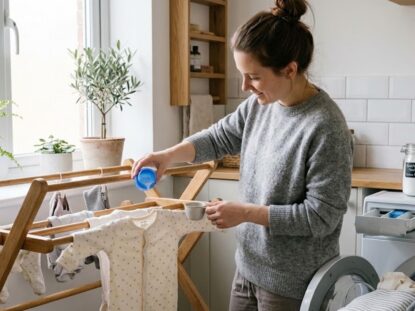
Routine care is surprisingly impactful: washing less, using cooler temperatures, and air drying reduce wear.
Simple repairs like restitching seams and replacing buttons are quick fixes that restore usability.
Label instructions are a useful starting point, but learning garment-specific care for wool, denim, and activewear pays off.
Local repair services or community mending circles are often affordable ways to keep items in rotation.
Storing items properly—folded or on wide hangers—prevents deformation and saves trips to the tailor.
Treat clothing as durable goods rather than disposable trends and your closet will last longer.
Those savings in money and waste show up more quickly than you might expect.
Conclusion
Reducing fashion waste starts with small, deliberate choices you can make today.
Buy with intention, care for what you have, and repair before you replace.
Over time these habits preserve style and shrink your environmental footprint.