Small wardrobe shifts can change how you move through a day—physically and mentally. This piece focuses on practical outfit changes that reduce friction, improve posture, and lift mood without overhauling your closet. You don’t need expensive pieces; attention to fit, fabric, and tiny details often does the most work. Read on for simple swaps, quick shopping pointers, and easy care habits that keep clothes working for you. Try one change at a time and notice how each adjustment affects comfort and confidence.
Start with Fit, Not Fashion
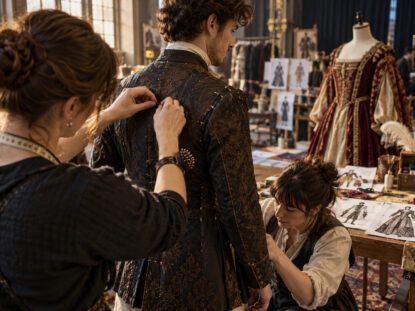
Fit is the starting point: clothes that tug, bunch, or pull demand constant adjustment and sap energy. A few minutes with a tape measure and some basic tailoring can turn a straining blouse or too-long hem into a reliable go-to. Pay attention to shoulder seams, sleeve length, and the rise of trousers—those small measures influence posture more than trend-driven cuts. Aim for silhouettes that allow easy movement at the shoulders and hips and avoid anything that clamps across your abdomen.
- Get hems shortened for cleaner lines and fewer trips over fabric.
- Invest in a local tailor for at least one frequently worn item.
- Try different sizes across brands; a larger size may fit your shoulders better even if you need tailoring elsewhere.
If tailoring feels expensive, prioritize at least one frequently worn item for alterations. A well-fitted favorite can soon replace several uncomfortable pieces.
Choose Fabrics That Move With You
Fabric choice determines how clothes feel through a long day—breathability, stretch, and weight matter. Natural fibers like cotton and linen and modern fibers like Tencel or modal breathe well and soften with wear. Blends with a small percentage of elastane add gentle recovery so shirts and pants keep shape without hugging too tightly. Pay attention to weave and finish; brushed or washed fabrics usually feel softer next to skin.
- Cotton blends for everyday tops.
- Tencel or modal for drape and softness.
- Lightweight merino for temperature regulation.
- Small elastane blends for trousers that move with you.
Choose washable fabrics for pieces you’ll rotate often to avoid laundry-induced stress. Simple care extends softness and keeps outfits feeling fresh.
Small Details That Make Big Differences
Details like waistbands, closures, and shoe soles impact comfort far more than labels. Swap stiff collars for banded or soft-point options, replace rigid waistbands with elastic or adjustable tabs, and choose shoes with a supportive but flexible sole. Seam placement and tagless designs reduce irritation, and roomy pockets make a bag optional on quick outings. Colors and pattern scale also affect perceived lightness—smaller patterns and brighter accents can feel visually airy.
- Try soft, low-profile elastic in waistbands.
- Choose tagless tees and flat seams to avoid rubbing.
- Select shoes with a cushioned midsole and flexible forefoot.
These are low-cost adjustments that you can test quickly and reverse if they don’t suit you. They accumulate: tiny comforts make a noticeable difference by the end of a busy week.
Conclusion
Start with one measurable change—fit, fabric, or a tiny detail—and give it a week. Track how small swaps influence comfort, movement, and mood, then add another if it helps. With modest effort, your daily outfits can become tools that support a lighter, brighter everyday life.